Restaurant Customer Rewards That Keep Diners Coming Back

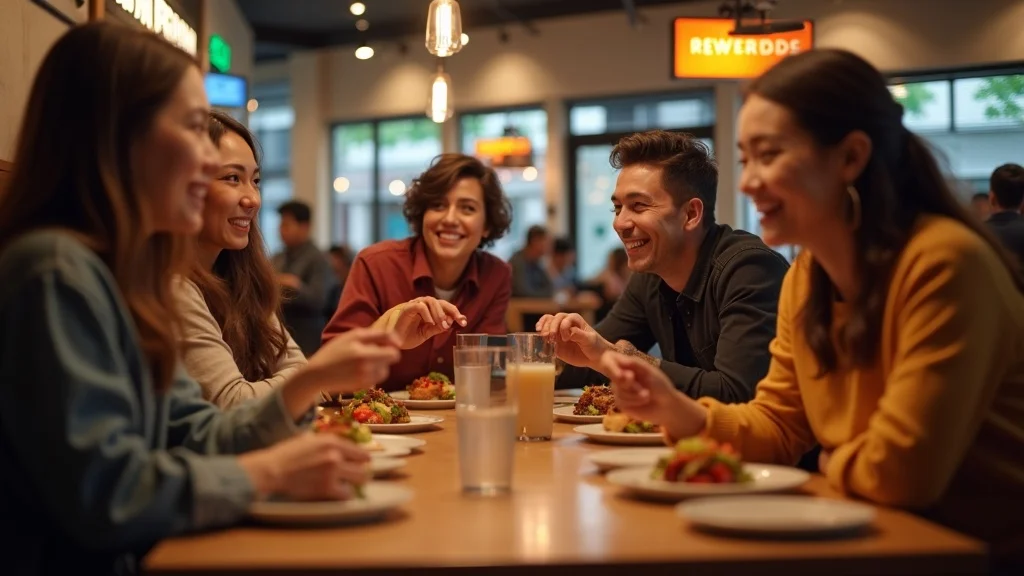
Did you know that 65% of a restaurant’s revenue comes from repeat customers—but only 30% of new diners return after their first visit? This single statistic reveals the undeniable importance of restaurant customer rewards. More than ever, forward-thinking operators are leveraging loyalty programs not just to boost visit frequency, but also to transform one-time guests into brand advocates who keep coming back. In this guide, we’ll explore why the smartest restaurants put customer rewards at the heart of their business—and give you the practical tools to do the same.
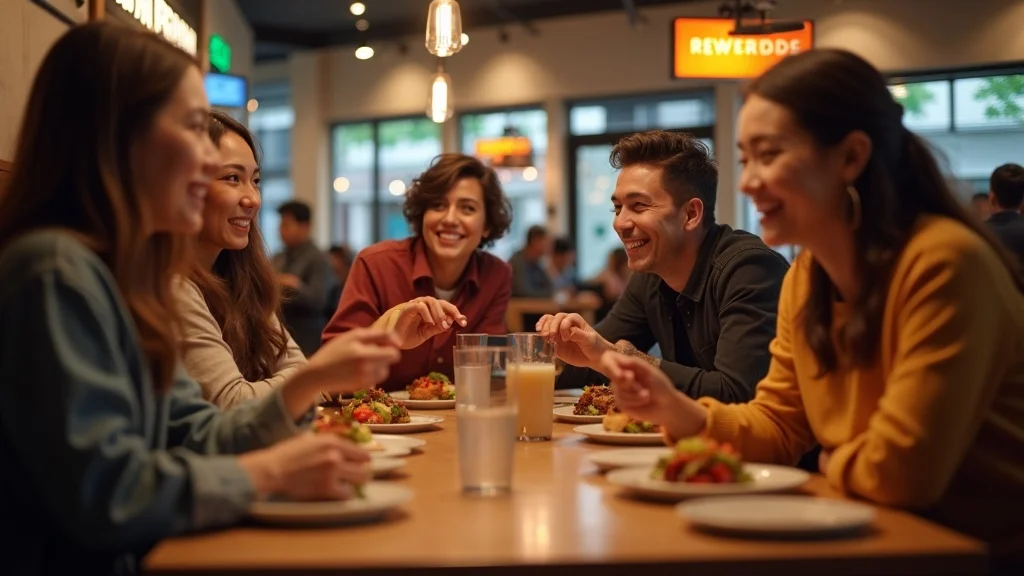
The Power of Restaurant Customer Rewards: Why They Drive Diners Back
- Startling Statistic: 65% of a restaurant’s revenue comes from repeat customers—yet only 30% of new diners return after their first visit. Explore why restaurant customer rewards change this dynamic.
Why are restaurant customer rewards a game-changer in the food service industry? Simple: they transform casual guests into loyal customers who drive ongoing profits. The math is compelling—repeat diners are statistically proven to generate the majority of a restaurant’s revenue. Yet, attracting these loyal customers doesn’t happen by chance. It requires strategic investment in loyalty programs that give diners a compelling reason to return. For savvy operators, rewards programs aren’t just about the next visit—they’re the engine for sustainable business growth. With digital integration and a customer-first attitude, today’s rewards programs are both sophisticated and remarkably accessible, offering a genuine edge in a competitive marketplace.
From personalized offers based on dining history to instant redemptions and referral bonuses, today’s best restaurant loyalty programs have shifted from punch cards to immersive digital experiences that integrate seamlessly with online ordering. The result? Increased customer engagement, higher average check size, and a measurable boost in visit frequency. Most importantly, rewards foster deeper connections between your brand and your best guests—making it far more likely they’ll choose you over the competition the next time hunger strikes. As we’ll see, the right customer rewards approach not only increases repeat visits, it shapes the entire trajectory of your restaurant’s growth.
When designing your loyalty program, it’s crucial to consider how digital marketing strategies can amplify your efforts and drive even more engagement. For actionable ideas on integrating digital tactics with your rewards program, explore these restaurant digital marketing strategies that help boost customer retention and loyalty.
What You’ll Learn About Restaurant Customer Rewards
- How restaurant customer rewards influence repeat visits
- The essential features of effective loyalty programs
- Real-world examples of restaurant loyalty programs in action
- Actionable steps to implement or improve your own rewards program
Understanding Restaurant Customer Rewards and Loyalty Programs
Defining Restaurant Customer Rewards
- Explanation of restaurant customer rewards, loyalty program, customer loyalty, and restaurant loyalty programs
At their core, restaurant customer rewards refer to structured incentives—discounts, freebies, points, or exclusive perks—operators use to encourage repeat business. Unlike general promotions, rewards are typically reserved for frequent guests and are a central part of any loyalty program. These programs are formalized systems—digital or physical—that track and reward customer behaviors like return visits, cumulative spending, or engagement with special menu items. In a restaurant loyalty program, guests might earn points for every dollar spent or gain status through repeat visits, all with the goal of exchanging earned rewards for future benefits. This approach goes beyond simple discounts; it represents an ongoing relationship with each diner, making customer loyalty measurable and maximizing the lifetime value of your regulars.
Restaurant loyalty programs range from the classic paper punch card for a free item after ten sandwiches to sophisticated mobile apps that personalize offers, recognize birthdays, and even provide real-time updates on bonus points and upcoming events. By tracking guest activity, restaurants are better equipped to offer relevant rewards, measure customer retention, and make data-driven decisions that keep customers coming back. This blend of personalization and automation is what distinguishes the most successful programs from the rest.
How Loyalty Programs Work for Restaurants
- Discussion: Core ingredients of successful loyalty programs and how rewards programs integrate with POS and online ordering systems
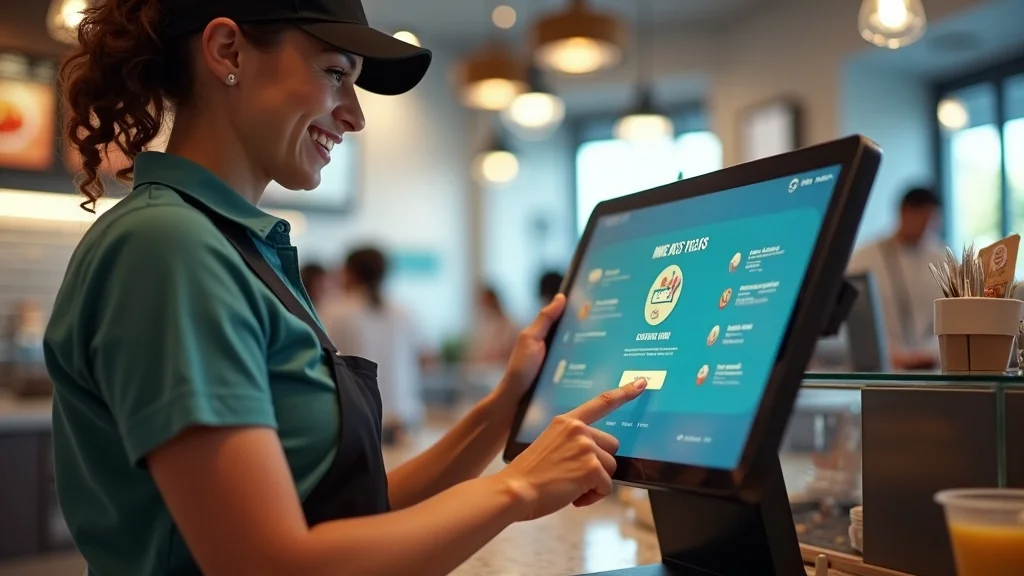
A successful restaurant loyalty program hinges on a few essential ingredients. First, the sign-up and participation process must be frictionless—think QR codes at tables, app-based sign-ups, or seamless integration with your point-of-sale (POS) system. Second, the rewards themselves must represent genuine value, whether it’s a free item, a birthday surprise, or exclusive menu access. Integration with online ordering is now a must; today’s diners expect to earn points and redeem rewards regardless of whether they order in person, online, or via a mobile app.
Modern loyalty programs work best when they connect customer data from all channels—dine-in, takeout, and online orders—to provide a unified experience. The best-in-class platforms synchronize with your inventory and POS, automatically tracking purchases, offering loyalty discounts, and providing valuable insights into what menu items drive repeat visits. Some solutions even offer robust analytics, so operators can pinpoint which rewards or campaigns deliver the highest ROI. When a rewards program works in harmony with your tech stack, it not only boosts customer engagement but also enables targeted marketing and quick adaptation as customer preferences evolve.
Key Benefits of Effective Restaurant Customer Rewards
- Enhanced customer loyalty
- Boosted repeat visits (customers coming back)
- Improved customer data for targeted marketing
- Increased average ticket size
The business case for well-executed restaurant customer rewards is clear. First, an effective program significantly enhances customer loyalty—guests who feel valued and recognized are far more likely to become regulars. These loyal customers form the foundation of stable revenue and can even become unofficial ambassadors, promoting your restaurant through social media and word-of-mouth. Second, robust loyalty programs are proven to boost repeat visits. According to industry studies, a customer enrolled in a rewards program is 30-40% more likely to return within the next month, compared to non-members.
Third, digital rewards programs offer a rich stream of customer data—from order frequency to favorite dishes—which can be leveraged for highly targeted marketing and cross-selling. Knowing that a guest always goes for the weeknight burger special, for example, lets you send out a timely incentive for a new entrée or upsell a dessert. Finally, rewards programs directly impact the average ticket size: guests who are close to earning rewards or unlocking higher loyalty tiers tend to order more or add extra menu items to surpass redemption thresholds. Collectively, these benefits translate into higher customer retention rates, predictable cashflow, and a formidable edge over restaurants that rely solely on attracting new customers.
Types of Restaurant Customer Rewards Programs
Points-Based Loyalty Programs
- How points systems work and why restaurant loyalty program operators prefer them
Points-based loyalty programs are the gold standard for most restaurants for good reason: they’re intuitive, flexible, and universally understood. Under this system, diners earn points for specific actions—most often, for every dollar spent on food, drinks, or even merchandise. These points accumulate over time and can be exchanged for tangible rewards, such as a free item, a complimentary appetizer, or even free delivery for online orders. For operators, points-based loyalty delivers a transparent progression that keeps customers coming back to reach their reward milestones.
The beauty of points-based systems is their adaptability—bonus points can be offered for trying new menu items, visiting on slow days, or referring friends. Digital platforms make it easy for guests to keep track of their progress, while operators gain granular insight into purchasing patterns and program performance. Plus, points-based programs can seamlessly integrate with online ordering and third-party delivery apps, creating a holistic customer experience across all dining channels. The result? Higher repeat customer rates, surges in special promotions uptake, and a steady flow of actionable data for continued program optimization.

Tiered Loyalty Programs for Restaurants
- How tiered loyalty programs offer escalating rewards and increase customer commitment
For restaurants aiming to create long-term customer loyalty, tiered loyalty programs are highly effective. Instead of offering the same perks to all members, these systems introduce escalating reward levels—each unlocked through sustained engagement. For example, guests might start as “Bronze,” move up to “Silver” after a set number of visits or dollars spent, and ultimately reach “Gold” or “VIP” tiers with exclusive benefits like priority seating, secret menu access, or enhanced birthday gifts. This gamification not only increases the visit frequency but also taps into customers’ desire for recognition and status.
Restaurants deploying tiered loyalty programs often see sharp increases in both average check size and repeat visits, as customers strive to advance to the next level. Digital platforms make tier progression visible in real-time, offering timely encouragement and personalized messaging at each stage. For operators, the tiered model offers a unique chance to segment marketing efforts and deliver hyper-targeted campaigns based on customer value—a win-win for both engagement and profitability.
Visit-Based Rewards Program
- Overview: Rewarding based on every visit—a simple way to keep customers coming back
Not all rewards systems need to be complex. The visit-based loyalty program is a straightforward approach where diners receive a reward after a set number of visits—say, every tenth sandwich is free, or a complimentary latte after five coffee shop visits. The simplicity is powerful: the more times you walk in the door, the closer you get to your reward. This approach is especially effective for quick-service and fast-casual concepts, where guest habits trend toward regular, repeat business and menu favorites.
Visit-based programs excel at fostering a feeling of personal connection: recognizing your presence, not just your spending. Many independent cafés and neighborhood restaurants find this method easy to implement—via paper punch cards, POS integration, or basic mobile barcode systems. It’s a proven way to build customer loyalty and “train” guests to choose your restaurant as their go-to spot. For smaller brands or owner-operated venues, it’s an efficient, cost-effective way to get a loyalty program running without needing advanced digital infrastructure.
Paid Membership Loyalty Programs
- Analysis: How monthly or annual memberships create exclusive value and customer loyalty
A growing number of restaurants are launching paid membership loyalty programs, where guests pay a monthly or annual fee for a bundle of exclusive perks—think priority booking, waived delivery fees, complimentary appetizers, or access to secret events. This approach delivers immediate “VIP” status, making members feel like insiders and strengthening their bond with your brand. The psychology is powerful: when customers invest in a membership, they’re not only more likely to return (to maximize their benefits) but also to bring friends, amplifying the program’s impact.
Moreover, membership fees provide restaurants with predictable, recurring revenue—something highly valuable in a business shaped by seasonality and market fluctuations. Upscale restaurants, wine bars, and experiential dining concepts often use this model to foster a sense of exclusivity while rewarding their most committed guests. To maximize success, ensure members receive tangible value from day one—delivering clear, consistent benefits is key to high retention rates and positive word-of-mouth.
Features That Drive Restaurant Customer Rewards Success
- Integration with online ordering systems
- Personalized rewards and offers
- Easy sign-up and redemption process
- Engaging digital experience
For a rewards program to truly move the needle, several critical features must be in place. First, integration with online ordering systems is indispensable—today’s guests expect a seamless experience whether they’re dining in, taking out, or using your mobile app. Second, personalized rewards—birthday treats, favorite-item discounts, or exclusive preview tastings—enhance the emotional bond between your brand and each customer, making the program feel unique and valuable. Third, the sign-up and redemption process should be as effortless as possible; think tap-to-join QR codes, auto-enrollment for web orders, and instant notifications for rewards earned.
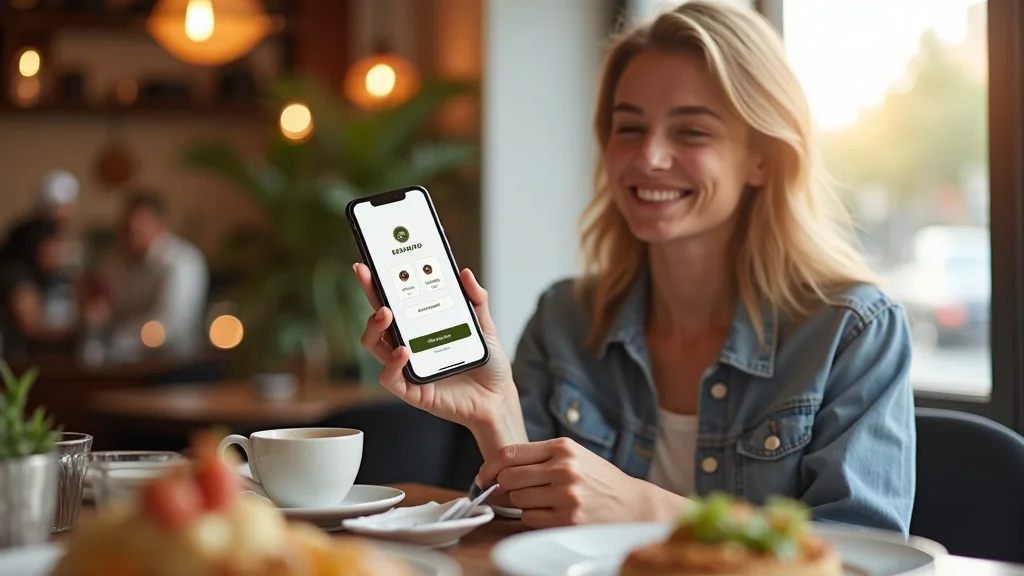
An engaging digital experience wraps these elements together, with intuitive user interfaces, progress tracking, and timely reminders delivered by push notifications or email. Leading platforms also offer integration with social media, empowering guests to share achievements and refer friends for bonus points or exclusive offers. Finally, robust analytics let you measure what’s working—and iterate quickly—to keep customers coming back. When these features work in concert, your customer loyalty program becomes a living, evolving asset instead of a static marketing cost.
Case Studies: Restaurant Loyalty Programs That Keep Diners Coming Back
Starbucks: A Model for Restaurant Customer Rewards
- How Starbucks’ loyalty program delivers value, data, and increased visit frequency
The Starbucks Rewards program remains the industry benchmark for digital rewards execution. Customers can earn “stars” on every purchase (in-store or via mobile), then redeem those stars for free drinks, bakery items, and select menu items. The app integrates with online ordering, payment, and even personalized offers—resulting in a highly engaging experience. The mix of instant gratification (order-ahead perks, birthday beverages) and long-term goals (building toward big-ticket items) keeps repeat customers locked in and spreads word-of-mouth advocacy throughout personal networks and social media.
For Starbucks, the genius lies in data: by tracking individual preferences and purchasing patterns, the brand regularly rolls out targeted campaigns that nudge guests back at strategic intervals. The result is not just higher visit frequency, but also increased check size and engagement on both digital and in-café channels. For many restaurants, emulating even a fraction of Starbucks’ approach—especially personalized, app-driven engagement—can produce outsized results.
Chick-fil-A: Building Customer Loyalty Through Simplicity
- The brand’s intuitive points system and personalized offers explained
Unlike more gamified systems, the Chick-fil-A One loyalty program is designed for simplicity. Customers earn points for each dollar spent, with the added bonus of unlocking additional rewards as they move up through three membership tiers: “Member,” “Silver,” and “Red.” Besides points and redemptions, Chick-fil-A issues surprise offers based on personal preferences—think spontaneous birthday milkshakes or free fries after a morning order. The program is integrated into their highly rated mobile app, which facilitates both dine-in and online ordering and tracks progress in real-time.
This simple, reliable system—paired with personalized communication—has driven substantial increases in repeat customers and bolstered customer retention nationwide. Chick-fil-A has proven that even traditional quick-service restaurants can excel at digital loyalty when they focus on ease of use and authentic customer value.
Independent Restaurants: Creative Rewards on a Smaller Scale
- Spotlight on a local restaurant’s birthday reward program and community engagement
Independently owned establishments don’t need Silicon Valley tech to create effective restaurant loyalty programs. Local cafes and bistros often stand out through creative, community-driven rewards such as birthday desserts, monthly “VIP club” tastings, or supporter discounts for local first responders. For example, a family-owned Italian restaurant may surprise loyal guests with a handwritten birthday card and a complimentary cannoli—small gestures that create deep bonds and ensure customers keep coming back.
By coupling old-school hospitality with new tools (like digital punch cards or mobile rewards), independents can compete effectively against national chains. The key is making every guest feel special, ensuring the loyalty program reflects your unique brand personality, and using rewards to foster two-way engagement—from feedback surveys to invitations for exclusive menu previews.

Tables: Comparing Restaurant Loyalty Programs
| Type of Program | How It Works | Key Benefits | Examples |
|---|---|---|---|
| Points-Based | Earn points for each dollar spent; redeem for free items or discounts. | Flexible, easy to understand, works well with online ordering. | Starbucks, Panera Bread |
| Tiered | Unlock higher rewards with cumulative spending or visit milestones. | Gamified progression, drives repeat visits and larger check sizes. | Chick-fil-A, Costa Coffee |
| Visit-Based | Reward based on visit count (e.g., free sandwich after 10 visits). | Simple, ideal for smaller or quick-service concepts. | Local cafes, sandwich shops |
| Paid Membership | Customers pay a fee for exclusive perks and access. | Create loyalty via exclusivity and recurring revenue. | Some upscale restaurants, Sweetgreen Outpost |
QUOTE: Insights from Restaurant Operators on Customer Loyalty
“We saw a 25% increase in return visits after launching our loyalty program. Repeat customers now account for half of our weekly sales.” — Jamie Lee, Owner, Oceanview Bistro
Implementing Restaurant Customer Rewards: A Step-By-Step Guide
- 1. Assess your customer base and ordering habits
- 2. Select the right type of loyalty program (points, tiered, visit-based, etc.)
- 3. Choose software integrating loyalty programs with POS
- 4. Launch with a marketing campaign
- 5. Collect data, track engagement, and optimize
Ready to introduce or revamp your restaurant customer rewards program? Start by analyzing your existing customer data—do most guests dine in, order online, or mix both? Next, choose a rewards model based on your brand personality and guest profile: points-based for flexibility, tiered for gamified engagement, visit-based for simplicity, or paid membership for exclusivity. Look for technology partners or software that natively integrates with your POS and online ordering platforms for seamless operation.
Once your system is in place, launch the program with a targeted marketing push: promote enrollment on receipts, menus, and across social media. Make staff training a priority so every team member can confidently invite guests to join and explain the benefits. Above all, measure your results—track enrollment rates, repeat visits, reward redemptions, and customer feedback. Use this data to continually refine your program, keeping it fresh and relevant as diner preferences evolve.

How to Maximize Engagement with Restaurant Customer Rewards
- Personalize rewards based on dining history
- Use digital channels for notifications
- Leverage referral bonuses and social media sharing
- Regularly refresh incentives to keep customers coming back
To get the most out of your customer loyalty program, focus on ongoing engagement—not just initial sign-ups. Personalize rewards using insights from dining history; send timely reminders of available points or upcoming birthdays to prompt the next visit. Use digital channels, from targeted emails to push notifications, ensuring members never miss a bonus offer or redemption window. Harness the power of referrals: offer bonus points or a free item for bringing friends, and make it easy to share loyalty milestones on social media.
Don’t let your rewards become stale—regularly update your incentives, add seasonal offerings, or rotate surprise gifts to maintain excitement. By keeping your loyalty program dynamic and personally relevant, you ensure that customers keep coming back and become advocates for your brand.
Lists: Top Features Customers Want in Restaurant Customer Rewards
- Simple sign-up process
- Seamless online ordering integration
- Instant gratification (e.g., immediate rewards)
- Transparency about point earning and redemption
- Mobile app compatibility
Common Pitfalls in Restaurant Customer Rewards Programs
- Overcomplicating program rules
- Weak online ordering loyalty integration
- Not promoting loyalty programs offer
- Lack of staff training
Even the best-intentioned programs can fall short if these pitfalls aren’t addressed. Avoid complicated rules or arcane redemption restrictions, which can frustrate guests and deter participation. Ensure your loyalty program offers are clearly promoted—on menus, tables, apps, and across social media. Don’t neglect staff training; every team member should be able to confidently explain benefits and help guests sign up, whether at the counter or online.
Perhaps biggest of all: if your loyalty program lacks integration with online ordering, you’re leaving money on the table. Today’s diners expect consistency, no matter how they interact with your restaurant. Address these common issues and keep your focus on customer experience—and your rewards program will deliver strong ROI.
Short video montage featuring multiple restaurants, snippets of real customers using loyalty apps and receiving rewards, interspersed with quick interviews from operators describing program impact.
People Also Ask: Restaurant Customer Rewards
What restaurants have the best rewards program?
- Examining leading brands and how their restaurant customer rewards stand out in driving repeat visits
Several national brands are frequently cited for setting the standard in restaurant customer rewards. Starbucks and Chick-fil-A lead with fully integrated, app-based systems that offer points per dollar spent, personalized perks, and simple redemptions. Panera Bread’s “MyPanera” excels with free bakery items, digital ordering, and surprise offers. Local restaurant groups are also innovating by pairing visit-based rewards with exclusive, community-centric events or secret menu access. The best programs are those that leverage customer data, offer instant gratification, and integrate seamlessly with both in-person and online ordering experiences.
What is the 30 30 30 rule for restaurants?
- Explanation of the 30 30 30 rule and its practical application for maximizing restaurant customer rewards effectiveness
The 30 30 30 rule is a benchmark sometimes used in restaurant management: aim for new customers to comprise 30% of sales, returning patrons (repeat customers) to make up the next 30%, and loyal customers—the most engaged, high-value guests—to deliver the remaining 30%. For restaurant customer rewards, this rule underscores the need to focus efforts not only on attracting new guests, but also on nurturing repeat business, and ultimately converting regulars into brand advocates via tiered perks, special events, and referral bonuses. Balancing these three segments is essential for sustainable, long-term profitability.
What are some good customer loyalty programs?
- Examples of popular loyalty programs and why they’re effective for restaurant customer rewards
The most effective customer loyalty programs share a few key traits: simplicity, integration, and a strong value proposition. Starbucks Rewards, Chick-fil-A One, and MyPanera rank high for their easy-to-navigate points systems, app integration, and appealing rewards catalog (from free items to birthday surprises). Many independent restaurants find success with digital punch cards, birthday reward clubs, and exclusive supper club memberships that build community and repeat business. The bottom line: the best customer loyalty programs make guests feel valued and keep them coming back without confusion or hassle.
What are the 3 R’s of customer loyalty?
- Discussing the 3 R’s—Retention, Rewards, Referrals—in the context of successful restaurant customer rewards
In the realm of restaurant customer rewards, the 3 R’s are: Retention (keeping guests coming back through ongoing engagement), Rewards (offering real value via points, discounts, or perks), and Referrals (incentivizing loyal customers to bring in friends or family). Programs that address all three—such as by offering bonus points for both return visits and successful referrals—max out the potential for organic growth, word-of-mouth marketing, and resilient revenue streams.
FAQs: Restaurant Customer Rewards
- What types of rewards work best for quick-service restaurants?
Quick-service venues benefit from straightforward perks: free drinks after a set number of purchases, instant discounts, or bundled combos. Keeping rewards tangible and easy to understand boosts participation and customer loyalty. - How can I measure the ROI of my restaurant loyalty programs?
Track metrics such as enrollment rates, repeat customer frequency, redemption rates, average check size uplift, and feedback from program members. Digital loyalty software streamlines this process, providing clear data for ROI calculations. - Are digital loyalty programs more effective than physical punch cards?
Yes. Digital loyalty programs offer integration with online ordering, real-time analytics, and seamless guest engagement (with push notifications, referrals, and personalized offers) beyond the scope of paper-based systems. - What are cost-effective ways to launch a customer loyalty initiative?
Start simple: adopt a visit-based digital punch card or partner with a cloud-based loyalty provider that integrates with your current tech stack. Promote heavily and gradually scale into more advanced features as guest participation grows.
Key Takeaways for Restaurant Customer Rewards
- Well-designed restaurant customer rewards drive business growth
- Simplicity and personalization are vital
- Digital loyalty programs work best when they integrate with online ordering
- Regular optimization keeps customers coming back
Conclusion: The Business Case for Restaurant Customer Rewards
- Restaurant customer rewards aren’t a luxury—they are an essential strategy for sustainable, profitable growth. Operators who invest in the right loyalty programs see more diners coming back, greater frequency of visits, and stronger branding in their communities.
Referral Marketing: Take Your Restaurant Customer Rewards to the Next Level
- Ready to turn satisfied customers into devoted ambassadors? Discover referral-focused restaurant customer rewards at Referral Marketing Experts.
If you’re eager to elevate your restaurant’s growth beyond loyalty programs, consider how a holistic digital marketing approach can transform your entire customer journey. From optimizing your online presence to leveraging advanced analytics and targeted campaigns, a comprehensive strategy can help you attract new guests while deepening relationships with your regulars. For a deeper dive into building a robust digital foundation for your restaurant, explore the full range of digital marketing solutions for restaurants and discover how to future-proof your business in a competitive landscape.
Sources
- QSR Magazine – https://www.qsrmagazine.com/reports/data-show-loyalty-programs-are-driving-restaurant-traffic/
- National Restaurant Association – https://restaurant.org/education-and-resources/resource-library/restaurant-loyalty-programs-that-work
- Nation’s Restaurant News – https://www.nrn.com/technology/how-restaurant-loyalty-programs-drive-digital-sales
- Forbes – https://www.forbes.com/sites/forbesbusinesscouncil/2022/01/19/how-to-create-restaurant-customer-loyalty-in-2022/
Implementing an effective restaurant customer rewards program is crucial for fostering customer loyalty and driving repeat business. To gain deeper insights into successful loyalty strategies, consider exploring the following resources:
-
“Innovations in Restaurant Loyalty Programs”: This article from the National Restaurant Association discusses how modern loyalty programs can enhance customer engagement and increase visit frequency. (restaurant.org)
-
“Loyalty Rewards Programs: Case Studies and Examples to Inspire Restaurants”: OpenTable provides real-world examples of successful restaurant loyalty programs, offering practical ideas for your own establishment. (opentable.com)
These resources offer valuable perspectives on designing and implementing loyalty programs that resonate with customers and contribute to sustained business growth.