Effective Marketing Techniques You Can’t Afford to Miss


Did you know: According to HubSpot, businesses that prioritize blogging as part of their content marketing efforts are 13 times more likely to achieve a positive return on investment? Effective marketing techniques are the driving force behind today’s most successful brands—yet many business owners still aren’t harnessing their full potential. In this guide, we reveal proven, practical strategies that can transform your marketing plan, increase your brand awareness, and elevate your site traffic. Let’s dive into the most critical techniques you can’t afford to ignore.
Unveiling the Power of Effective Marketing Techniques: A Startling Look
In a world where digital noise is at an all-time high, companies that adopt effective marketing techniques rise above their competition. Whether you’re a small business owner or a marketing professional, understanding what truly works is essential to achieving your business goals. This article walks you through industry-tested tactics for building brand awareness, improving your marketing strategy, and increasing customer engagement. From mastering content marketing to leveraging social media and search engine optimization, these actionable methods are designed for today’s fast-paced digital arena. Don’t let your competitors outpace you—integrate these marketing strategies to ensure your brand is not just seen but remembered.
Today’s businesses face constant shifts in online consumer behavior, algorithm updates from major search engines, and new trends in media marketing. To succeed, you need a marketing plan that’s both adaptive and data-driven. By combining the right marketing strategies—such as compelling content, influencer partnerships, and targeted email marketing—you can create a comprehensive approach that delivers measurable results. This guide will break down each step for you, enabling you to construct a robust foundation for growth, maximize conversions, and attract your ideal target audience.

A Surprising Statistic That Changes Everything
Surveys by Statista show that over 70% of businesses increased their digital marketing budget in 2023, yet only 34% report seeing consistent growth. What separates the winners from the rest? Brands that use a strategic mix of content marketing, search engine marketing, and precisely targeted social media ads see higher conversion rates and improved retention. These numbers reveal a critical truth: investing in effective marketing techniques alone isn’t enough—success hinges on implementation, adaptability, and ongoing optimization. The most impactful companies regularly analyze their marketing campaign data, identify their audience’s pain points, and tweak their tactics for maximum engagement and ROI.
Armed with this knowledge, you’re empowered to move from guesswork to strategy. Recognizing that every business is unique, this comprehensive guide shares proven marketing strategies that adapt to your goals and your customers’ needs. Whether you want to increase site traffic, build organic traffic, or enhance customer loyalty, these insights will point the way.
As you refine your marketing approach, it’s essential to understand how digital marketing agencies can help implement these strategies effectively. For a closer look at how expert support can elevate your campaigns, explore the services offered by leading digital marketing agencies and discover practical ways to boost your results.
Understanding the Impact of Effective Marketing Techniques Across Industries
From e-commerce and SaaS to restaurants and service providers, effective marketing techniques benefit every industry. E-commerce companies use compelling content and SEO to drive traffic to their website and maximize conversion rates. Service-based businesses often find success with targeted email marketing and educational blog posts that address customer pain points. Even nonprofits thrive when they use innovative social media marketing and strategic market research to expand their reach and boost donor engagement.
The versatility of these marketing strategies lies in their adaptability. Businesses can customize campaigns for their target audience, align tactics with business goals, and continuously test channels to improve brand awareness. Understanding which blend of content marketing, social media, and email campaigns suits your industry can mean the difference between marketing mediocrity and measurable growth. The sections that follow reveal how to pinpoint and use these techniques for lasting results.
What You’ll Learn About Effective Marketing Techniques
- A comprehensive overview of effective marketing techniques
- How to choose and implement the right marketing strategies
- Real-world examples of high-converting content marketing
- Best practices for social media and search engine marketing
- Tips for maximizing your marketing plan and increasing brand awareness
Defining Effective Marketing Techniques in the Modern Landscape
Modern effective marketing techniques go beyond traditional advertising and cold calls. Today’s landscape is about engaging potential customers where they are—online, on social media, and through digital touchpoints. Marketing strategies that work now involve aligning content marketing with SEO, integrating email marketing automation, and harnessing video marketing to connect on a human level. Underscoring it all is a relentless focus on market research and analytics. Businesses must understand the evolving steps of the customer journey in order to personalize messaging, address pain points, and build trust. This holistic approach ensures marketing efforts are efficient—and more likely to meet your business goals.
Success hinges on how you combine these tools. For some, content marketing and blog posts are the central engine; for others, aggressive social media marketing and targeting the right search engines tip the balance. No matter the mix, effective marketing isn’t a standalone tactic—it’s a system, optimized continually for performance and results.
Core Elements of Effective Marketing
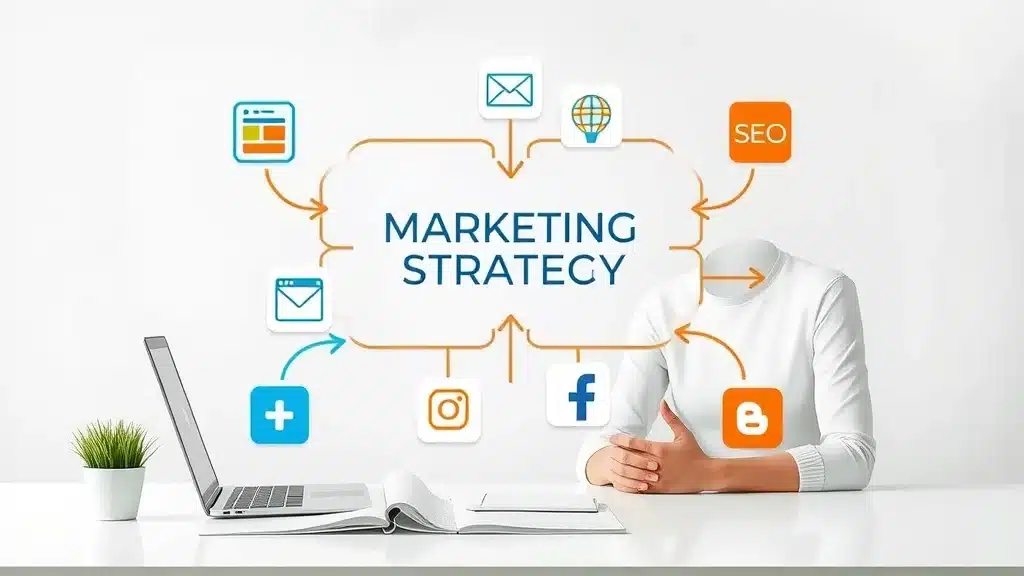
The building blocks of the most effective marketing techniques include strategic planning, audience identification, compelling content creation, and cross-channel promotion. The best marketing plan starts with vigorous market research to uncover what resonates with your target audience. With that foundation, you can design a multi-channel marketing strategy that leverages each platform’s strengths. Compelling content drives engagement and builds credibility, while data-driven measurement ensures your approach stays on track and flexible enough to evolve with trends in search engine and media marketing.
Modern businesses see the greatest impact when integrating social media marketing, search engine optimization, and content marketing under a unified plan. Combining these methods creates synergy, amplifying your marketing efforts, improving conversion rates, and sustaining long-term growth. Whether you’re reviewing analytics or planning your next email campaign, these pillars should remain at the forefront of your strategy.
Why Effective Marketing Techniques Matter for Business Growth
Leveraging effective marketing techniques accelerates business growth by increasing brand awareness, attracting qualified leads, and driving conversions. Consistent blog post creation, active social media engagement, and well-coordinated email campaigns keep your brand top-of-mind with consumers, enhancing trust and loyalty. Marketing strategies centered around measurable analytics enable businesses to track the customer journey, make informed decisions, and ultimately achieve higher returns on investment.
Overlooking these opportunities can leave your brand lost in the shuffle, while competitors win your potential customers. Effective marketing not only fuels site traffic but also bridges the gap between business goals and the strategies needed to achieve them. Focusing on this holistic approach ensures a sustainable path to growth in an ever-evolving marketplace.
Developing a Strategic Marketing Plan Using Effective Marketing Techniques
Building an impactful marketing plan starts with actionable market research and objective measurement. This ensures your messaging and campaigns are relevant, timely, and personalized. By identifying potential customers and defining their pain points early, you build a foundation for meaningful customer engagement, higher conversion rates, and improved brand awareness. The key steps are understanding your target audience, setting measurable goals, and constantly refining your marketing strategy through data and analytics. The following sections walk through these pivotal actions in detail, giving you the practical insights you need to amplify your marketing efforts and boost your return on investment.
Whether you’re launching a new product or scaling up, following these steps ensures every marketing dollar is working towards your business goals. With an adaptable marketing strategy rooted in thorough market research, you can meet changing demands and shift your focus as new opportunities arise—ensuring your business stays competitive in a noisy digital world.
Conducting Thorough Market Research
Market research is the cornerstone of all effective marketing techniques. It uncovers who your audience is, what motivates them, and what pain points your product or service solves. Use surveys, competitor analysis, and trend tracking to paint a clear picture of potential customers and their needs. Funnel these insights into your marketing plan to ensure every campaign, from content marketing to email and social media marketing, is informed by data—not assumptions. This step uncovers not just where your audience spends time but how they make purchase decisions, letting you prioritize the right channels and messages for optimal engagement.
The research doesn’t end once a campaign launches. Continuously revisit and refine your data, using insights to optimize messaging and delivery. By embedding research into your marketing strategy, you create campaigns that are not only effective but also flexible enough to evolve with your industry.

Identifying and Engaging Your Target Audience
Zeroing in on your target audience is critical for maximizing marketing results. Identify demographics, interests, online behaviors, and pain points that define your ideal customer. Use analytics tools to segment audiences by purchase history, website interaction, or engagement with past email campaigns. This precision ensures your marketing strategies address real needs and build authentic connections, setting the stage for higher engagement and conversion rates.
Continuous interaction—across social media marketing, content marketing, and email marketing—keeps your audience engaged and loyal. Personalize your approach with relevant blog posts, targeted ads, and timely email campaigns to meet your audience at different stages in the customer journey. As you refine your efforts, always observe feedback, adapting your message and offers to drive deeper engagement and sustained growth.
Setting Measurable Goals and KPIs for Your Marketing Campaign
Every successful marketing campaign is underpinned by clear goals and meaningful Key Performance Indicators (KPIs). Start by outlining what you want to achieve: more site traffic, higher conversion rates, or increased brand awareness. Set metrics—such as leads generated, sales closed, email open rates, and blog post shares—to track progress. Use Google Analytics, CRM dashboards, and native platform analytics for regular measurement and optimization. This results-driven approach allows you to identify the most effective marketing techniques for your business, pivoting as needed to maximize your return on investment.
By keeping a close eye on performance, you’ll know which content types, social media posts, or email campaigns are driving results, and where to focus resources for future growth. This continuous improvement loop is what separates good marketing from great marketing.
| Marketing Technique | Average Cost | Estimated ROI | Longevity |
|---|---|---|---|
| Content Marketing | Medium | High | Long-term |
| Social Media Marketing | Low-Medium | Medium-High | Short-Mid term |
| Email Marketing | Low | High | Long-term |
| Video Marketing | Medium-High | High | Mid-Long term |
| Search Engine Marketing (SEO) | Medium | High | Long-term |
Content Marketing: The Foundation of Effective Marketing Techniques
Content marketing is the cornerstone of today’s most successful marketing strategies. It builds trust with potential customers, provides value, and nurtures relationships throughout the customer journey. By delivering useful blog posts, videos, and whitepapers tailored to your audience’s needs, your brand stays relevant and top-of-mind. Effective content marketing focuses on solving pain points and answering questions before they’re even asked, making your site the go-to resource for both information and conversion.
Content marketing also seamlessly contributes to SEO, improving your site’s visibility in search engines and driving organic traffic. When paired with analytics and ongoing optimization, a strong content strategy not only informs but drives business results across all touchpoints—from first impression to final sale.
Crafting Compelling Content That Drives Results
Creating compelling content is both art and science. Start by researching the topics your audience cares about most. Address their pain points in blog posts, infographics, and videos. Use storytelling to connect emotionally, and always include a clear call to action leading visitors further into the customer journey. Share original case studies to establish authority, and update evergreen content to keep it relevant. The best content marketing doesn’t push products—it solves problems and builds community, leading to greater engagement and a stronger brand reputation.
Optimize for both readers and search engines. Use target keywords naturally, structure your content for easy scanning, and include multimedia like images and embedded videos to boost time-on-site. Ultimately, well-crafted content is the engine that fuels every other effective marketing technique, from social media campaigns to email marketing automation.

Blogging, Whitepapers, and Case Studies in Your Marketing Strategy
Strategically combining blog posts, in-depth whitepapers, and real-world case studies can supercharge your marketing strategy. Blog posts maintain ongoing engagement and SEO momentum, whitepapers establish authority in your sector, and case studies provide tangible proof of your effectiveness. Use each format to tell stories that resonate, answer common questions, and demonstrate results. By varying your content mix, you ensure there’s something for every stage of the customer journey—from awareness to consideration to decision.
To maximize impact, distribute this content through your email marketing, promote it on social media, and use internal linking to drive traffic across your website. This multi-pronged approach makes your site an authoritative hub for both potential customers and search engines, keeping you ahead in today’s competitive landscape.
Utilizing Social Media and Social Media Marketing Techniques Effectively
Social media marketing has become one of the most effective ways for brands to reach a broad audience, drive engagement, and foster community. Platforms like Facebook, Instagram, LinkedIn, and Twitter allow businesses to interact with their target audience in real-time, share compelling content, and harness user feedback to inform future campaigns. Social media also plays a key role in building brand awareness—regular posts, stories, and engagement activities keep your brand visible and memorable. By using data-driven insights and consistent branding, marketers can create campaigns that drive conversions and expand reach faster than traditional advertising methods alone.
The most successful marketing strategies combine social media efforts with other channels—like content marketing and email campaigns—to achieve a unified, impactful presence. Continuous monitoring and adjustment are vital to keep up with algorithm changes and consumer trends, ensuring your social media efforts always support your overarching business goals.

Building Brand Awareness Through Social Media Platforms
Brand awareness is a crucial step to funneling potential customers through your marketing funnel. Social media platforms offer unique advantages: the ability to reach highly specific demographics, join trending conversations, and get direct feedback from your audience. To maximize brand exposure, align each post or social media campaign with your larger business goals and marketing plan. Use data and analytics to refine your approach—testing content types, post times, and visual styles for highest engagement. User-generated content can also amplify reach, creating authenticity that resonates and drives conversions.
Regular interaction—comments, likes, shares, and stories—reinforces your presence and nurtures an engaged community. Don’t ignore paid advertising: targeted social ads ensure your compelling content is seen by the people most likely to convert, creating a streamlined path from first interaction to loyal customer.
Measuring Social Media Marketing Campaign Success
Effective social media marketing hinges on ongoing measurement. Set clear KPIs, such as audience growth, click-through rates, and engagement per post. Leverage built-in analytics tools from platforms alongside third-party software to get an accurate picture of what’s working. Regularly review and adapt your strategy—double down on popular topics, rework underperforming campaigns, and experiment with new formats like live video or stories. This data-driven process ensures your marketing efforts stay relevant and impactful, maximizing your investment and ensuring continuous growth in brand awareness, site traffic, and conversion rates.
Engage with audience comments, gather qualitative feedback, and run A/B tests on ad copy or imagery. By continuously learning from these performance metrics, you’ll stay ahead of the curve and maintain an effective, ever-evolving marketing plan.
Boosting Visibility with Search Engine Marketing and SEO
Mastering search engine marketing and SEO is essential for attracting qualified leads and increasing organic traffic. Appearing at the top of search engines like Google dramatically increases your credibility and puts your brand in front of customers actively seeking answers. Effective SEO strategies include keyword research, on-page optimization (like meta tags and headings), and off-page tactics (such as backlinks and guest blogging). Combined with high-quality content marketing, these efforts improve your site’s visibility and drive steady, sustainable traffic over time—feeding both immediate conversions and long-term brand growth.
Paid search engine marketing (such as Google Ads) provides instant visibility and can complement organic efforts by targeting specific keywords or audience segments. By smartly balancing both SEO and paid campaigns, you ensure comprehensive coverage of your potential market—meeting users wherever they are in their customer journey and boosting the effectiveness of all your marketing strategies.

Harnessing Search Engines for Targeted Traffic
Search engines are the gateway to new audiences. To maximize this channel, use keyword research tools to discover what your target audience is searching for, then build content that addresses those needs. Leverage on-page techniques—like optimizing page titles, headings, and internal links—to make content easy for both users and search bots to digest. Supplement this with off-page strategies, such as earning backlinks from reputable sites in your industry. By combining these efforts, you drive more targeted traffic to your website, increase the likelihood of conversions, and firmly establish your brand’s authority online.
Regular audits of your site help uncover new opportunities and resolve bottlenecks. Keep an eye on emerging trends and algorithm changes from major search engines, adapting your approach to maintain strong rankings and sustainable traffic growth. This agile SEO mindset ensures long-term relevance and success in an increasingly crowded digital marketplace.
Improving Conversion Rate Through On-Page and Off-Page SEO
SEO isn’t just about rankings; it’s about conversions. On-page optimization—such as fast load times, mobile-friendly designs, clear calls to action, and persuasive copy—removes friction in the customer journey and guides users toward desired actions. Off-page SEO, including inbound links and local business listings, expands your reach and builds trust in your expertise. Analyze user behavior with tools like heatmaps or A/B testing to further improve conversion rates.
Incorporating clear conversion paths, relevant blog posts, and focused landing pages ensures that your marketing strategy doesn’t stop at site visits. Instead, every touchpoint is designed to move users from awareness to action, delivering higher ROI for your marketing campaign and supporting your long-term growth objectives.
Email Marketing: Direct Communication for Enhanced Engagement
Email marketing remains one of the most reliable and cost-effective effective marketing techniques. With billions of emails sent every day, businesses must stand out by delivering timely, personalized messages to segmented lists. Email campaigns nurture leads, communicate new offerings, and drive repeat sales, all while allowing for easy measurement and optimization. The most successful marketers use automation and personalization tools to send the right message at the right time, maximizing open and click-through rates.
When combined with content marketing and social outreach, email campaigns create a seamless journey for your audience—from initial interest to loyal customer. The direct nature of email, free from platform algorithms, gives brands full control over their messaging and data, making it a centerpiece of any modern marketing strategy.

Segmentation, Automation, and Personalization Strategies
Powerful email marketing hinges on three pillars: segmentation, automation, and personalization. Segment your email lists based on user behavior, demographics, or previous interactions. This enables hyper-targeted messaging that speaks directly to each segment’s pain points and interests. Automation tools allow you to schedule emails around birthdays, purchases, or follow-ups, ensuring you’re always timely and relevant. Integrate personalization—names, custom recommendations, dynamic content—to boost open rates and increase engagement. Regularly review analytics from your email campaigns to refine subject lines, content, and send times for maximum effectiveness. The result is a streamlined marketing strategy that deepens relationships and fuels business growth with every send.
Great email practices not only keep your brand top-of-mind but also drive traffic to your website, promote your latest blog posts or case studies, and encourage repeat purchases—maximizing the lifetime value of every customer.
Crafting Emails That Convert and Foster Loyalty
Your emails should be more than just updates—they should inspire action. Use compelling subject lines that pique curiosity or promise value, and ensure your copy is concise, benefit-driven, and aligned with your overall marketing strategy. Add strong calls to action that map to different buyer stages, and include visually engaging elements like branded templates and relevant images or GIFs.
Successful email marketing builds genuine connections and ongoing loyalty. Celebrate milestones, deliver exclusive offers, and recognize subscriber feedback. Over time, these practices turn casual subscribers into brand advocates—boosting both your conversion rates and long-term retention.
Leveraging Video Marketing for Greater Impact
Video marketing is a powerhouse for modern marketing strategies. Videos capture attention, explain complex ideas quickly, and connect emotionally with viewers. From product demos and customer testimonials to live streams and educational content, video can be repurposed across social media, websites, and email marketing. Today, consumers expect dynamic, visual content—making video a must-have for effective marketing. Used correctly, video increases engagement, drives more qualified site traffic, and accelerates the customer journey.
Marketers should always optimize videos for search engines by using descriptive titles, alt tags, and relevant keywords. Analyzing viewer data—such as watch time and drop-off rates—further refines your content and increases ROI, ensuring your video marketing efforts get maximum reach and impact.

Incorporating Video Content into Effective Marketing Techniques
To fully leverage the power of video in your marketing plan, integrate it at every stage of the customer journey. Use explainer clips at the awareness stage, in-depth product reviews when users are considering a purchase, and customer testimonials to tip buyers over the edge. Repurpose video content for blog posts, social media, and email marketing to maximize reach. Platforms like YouTube and TikTok broaden your brand’s presence, while embedding video on your website boosts SEO and keeps visitors on site longer—both crucial for driving conversions.
Balance short, shareable clips for social media with longer, educational content for deeper engagement. Experiment with different styles—live streams, animated videos, interviews—to discover what your audience finds most compelling. The more you diversify your video marketing, the more likely you are to capture the attention of potential customers wherever they are online.
Case Studies: Successful Video Marketing Campaigns
Brands of all sizes have seen explosive growth from innovative video marketing. For example, Dollar Shave Club’s launch video ($4,500 budget) went viral, bringing in 12,000 new orders in just two days. Meanwhile, Nike and Airbnb have built entire engagement engines through creative, user-generated video content that fosters community and authenticity. These case studies show that you don’t need a massive budget—just a deep understanding of your audience and a willingness to experiment.
Successful campaigns focus on storytelling, humor, and value. Analyzing performance enables constant refinement; by reviewing engagement rates and viewer feedback, you can pivot quickly to create even more impactful, conversion-driven content. Let these real-world examples inspire you to innovate and push the boundaries of your own marketing strategies.
Innovative Marketing Strategies for Today’s Competitive Market
Staying ahead requires embracing new marketing strategies. Influencer marketing and affiliate partnerships are among the most effective marketing techniques for rapidly increasing brand awareness and conversions. Collaborate with influencers whose values align with your brand, and leverage affiliate programs to incentivize partners to promote your products. These approaches amplify reach, add authenticity, and tap into established audiences for immediate credibility.
Combine these with content, social media, and video marketing for a multi-channel marketing plan that’s greater than the sum of its parts. Innovation doesn’t mean abandoning the basics; it’s about integrating emerging tools with tried-and-true tactics to deliver results in today’s ever-evolving landscape.

Using Influencer and Affiliate Marketing
Influencers dramatically extend your reach when authentic relationships are built. Find micro-influencers in your industry—those with tightly engaged communities—for higher trust and ROI than mega-celebrity endorsements. Affiliate programs, on the other hand, create a performance-driven ecosystem where partners earn commission for each conversion. Both require clear guidelines, creative assets, and tracking mechanisms for success. Regularly audit your campaigns, refining outreach and offer structures as needed. This proactive approach ensures long-term partnerships and a steady stream of new customers.
These channels work best when complemented by social media marketing and content marketing, creating a virtuous cycle of awareness, engagement, and conversion. Let authentic voices and aligned interests drive your next marketing breakthrough.
Integrating Content, Media, and Social Strategies
The most innovative brands don’t operate their marketing channels in silos. **Content marketing** delivers the narrative, **media marketing** amplifies it, and **social media** fosters conversation. By integrating these elements, businesses create seamless experiences that nurture leads and shorten sales cycles. This could mean synchronizing a series of blog posts, social ads, and influencer content around a product launch for maximum impact. Use unified campaign hashtags, consistent branding elements, and repurpose core content across platforms to extend reach while staying on-message.
This integrated approach ensures every touchpoint reinforces your brand story, adapts to consumer shifts, and makes data-driven adjustments quickly. Cohesive campaigns not only build brand awareness but also drive sustainable growth in traffic and conversions. Remember: lasting success is about synergy, not just tactics.
“Effective marketing techniques are not about following trends blindly, but about creating lasting value for both the brand and the consumer.”
Common Pitfalls and How to Avoid Them in Your Marketing Plan
- Neglecting market research
- Overlooking the importance of brand awareness
- Failure to adapt to evolving search engine algorithms
- Ignoring multi-channel marketing strategies
Many marketing plans fail because they ignore critical foundational steps. Lack of thorough market research results in messaging that misses the mark. Overlooking ongoing brand awareness activities leads to decreased visibility over time. Ignoring shifts in search engine algorithms or refusing to diversify marketing channels can cripple even the best marketing strategy. Avoid these errors by continuously evolving your tactics, testing new ideas, and always keeping your audience at the center of your efforts.
Surround yourself with experts, use analytics to guide decisions, and never let your marketing plan stagnate. Regular training and upskilling for your team ensure you’re always at the forefront of effective marketing techniques—evolving as fast as the market.
People Also Ask: Key Questions About Effective Marketing Techniques
What is the most effective marketing technique?
Answer: The most effective marketing technique often combines several methods—content marketing, email marketing, search engine optimization, and social media marketing—customized for your specific target audience and goals.
What is the 7 11 4 rule of marketing?
Answer: The 7 11 4 rule suggests that a new prospect needs at least 7 hours of interaction over 11 touchpoints in 4 separate locations before taking action. This emphasizes the importance of multi-channel, consistent engagement as part of effective marketing techniques.
What are the 5 C’s of marketing strategy?
Answer: The 5 C’s are: Company, Customers, Competitors, Collaborators, and Context. Incorporating these elements enhances your marketing strategy and supports the execution of effective marketing techniques.
What is the 3-3-3 rule in marketing?
Answer: The 3-3-3 rule encourages marketers to pitch 3 points in the first 3 seconds to 3 different types of audiences. This maximizes message clarity and impact within your effective marketing techniques.
Animated explainer video visually illustrating the journey of a modern marketing campaign—featuring content marketing, email delivery, search engine optimization, and social engagement. (No voiceover, no on-screen text)
See how innovative brands leverage effective marketing techniques to achieve unprecedented business growth, as spotlighted in our latest video case study.
Frequently Asked Questions About Effective Marketing Techniques
- How often should I update my marketing strategy?
Review and update your marketing plan at least quarterly to stay aligned with industry trends, algorithm updates, and shifting consumer behaviors. Continuous analysis ensures your effective marketing techniques evolve alongside your business goals. - What are some low-budget effective marketing techniques?
Utilize content marketing through blog posts, leverage organic social media, collaborate with micro-influencers, and employ SEO best practices. These strategies require more time than money but can yield strong returns when executed consistently. - How do I measure the ROI of content marketing?
Track metrics such as site traffic, conversion rates, lead quality, and sales directly attributed to your content. Tools like Google Analytics, CRM systems, and unique tracking links provide quantifiable insights into your content marketing effectiveness.
Key Takeaways: Implementing Effective Marketing Techniques for Lasting Results
- Effective marketing techniques are multi-faceted and adaptive
- Regular market research and analysis are crucial
- Integrated strategies increase brand awareness and conversion rates
- Customization to your audience is key for campaign success
Put These Effective Marketing Techniques to Work
Ready to level up your marketing? Put these proven strategies into action and watch your business thrive in today’s competitive landscape.
Partner With Digital Marketing Experts for Unmatched Results
For tailored marketing plans and expert execution, partner with digital marketing experts and accelerate your brand’s growth with unmatched results.
If you’re eager to take your marketing to the next level, consider exploring the broader landscape of digital marketing and how a holistic approach can transform your business. Discover how a full-service digital marketing agency can help you integrate advanced strategies, streamline your campaigns, and achieve sustainable growth by visiting Digital Red Zone. Their expertise can provide the strategic edge you need to stay ahead in a rapidly evolving digital world. Whether you’re seeking innovative solutions or a comprehensive marketing overhaul, leveraging agency insights can unlock new opportunities for your brand’s success.
Conclusion: Implement these effective marketing techniques today to future-proof your brand and fuel ongoing business growth. Stay agile, keep learning, and let strategy guide your success.
Sources
- https://www.hubspot.com/marketing-statistics – HubSpot Marketing Statistics
- https://www.statista.com/topics/1164/online-marketing/ – Statista: Online Marketing Industry
- https://neilpatel.com/what-is-digital-marketing/ – Neil Patel: What Is Digital Marketing?
- https://sproutsocial.com/insights/social-media-statistics/ – Sprout Social: Social Media Statistics
- https://moz.com/beginners-guide-to-seo – Moz Beginner’s Guide to SEO
- https://blog.hootsuite.com/social-media-marketing-strategy/ – Hootsuite: Social Media Marketing Strategy
- https://www.contentmarketinginstitute.com/what-is-content-marketing/ – Content Marketing Institute
To enhance your understanding of effective marketing techniques, consider exploring the following authoritative resources: “A Guide to Effective Marketing Techniques”: This comprehensive guide from Indeed. com outlines various marketing strategies, including value addition, cause marketing, storytelling, and social media engagement, providing practical insights to build a robust marketing strategy. (indeed. com) “Guide to Types of Marketing: Strategies, Techniques, and Tactics Explained”: Published by the American Marketing Association, this resource delves into diverse marketing types such as word-of-mouth and experiential marketing, offering detailed explanations and actionable tactics to enhance your marketing efforts. (ama. org) By exploring these resources, you can gain valuable insights and practical strategies to refine your marketing approach and achieve your business objectives.