Best Way To Market A Business: Unlock Success Now


Did you know that businesses with a documented marketing strategy are 313% more likely to experience lasting growth than those without? This eye-opening figure highlights a simple truth: the best way to market a business isn’t just about tactics or the latest trend—it’s about creating a structured strategy that fuels results. If you want to unlock your company’s potential, boost revenue, and build a loyal customer base, you need more than just a few good ideas. In this comprehensive guide, you’ll learn proven steps and actionable insights to make your business stand out and grow—no matter your industry or experience level.
Revealing the Best Way to Market a Business: Why Your Success Depends on Strategy
“According to recent studies, businesses using a well-defined marketing strategy are 313% more likely to achieve long-term growth than those without.”
Whether you’re a startup, a thriving small business, or an established company, the best way to market a business always circles back to knowing your goals—and mapping every marketing effort to those objectives. A robust, adaptable strategy acts as your blueprint, helping you reach your target audience, sustain website traffic, and convert prospects to loyal customers. Too many businesses dive into tactics like social media or email marketing without first crafting a comprehensive marketing plan; this often results in wasted budget and missed opportunities for lead generation or customer acquisition.

It’s not enough to simply “be online” or post on social media. To achieve a high return on investment (ROI) and ensure your marketing activities move the needle, you’ll need a refined approach: solid market research, strategic planning, careful budgeting, a mix of the right digital channels, and a keen focus on measuring customer experience and conversion rates. By the end of this article, you’ll understand not only where to start—but how to adapt your marketing plan for long-term success.
As you refine your marketing approach, it’s also valuable to explore how a digital marketing agency can help you implement these strategies efficiently and stay ahead of evolving trends. For a deeper look at professional support options, consider reviewing the services and expertise offered by Digital Red Zone to see how expert guidance can accelerate your business growth.
What You’ll Learn About the Best Way to Market a Business
- How to align marketing strategies with your business goals
- Building a successful marketing plan for any small business
- The impact of digital marketing and social media on growth
- Advanced tips for understanding your target market and audience
Understanding the Fundamentals: Market Research and Target Market Identification
Market Research: The First Step in Finding the Best Way to Market a Business

Every successful marketing plan begins with a foundation of market research. Understanding your market is the surest way to avoid missteps, wasted marketing efforts, and missed opportunities with your target audience. Market research allows you to evaluate competitors, analyze demand, and grasp what motivates potential customers to choose your product or service instead of someone else’s. For small businesses, especially those just starting out, this step helps set realistic business goals and aligns every marketing activity with actionable insights gathered from real data—not assumptions.
Key methods for conducting effective market research include surveys, interviews, online analytics (like Google Analytics), and reviewing current industry trends or social media conversations. Utilize these insights to determine where to invest your marketing budget—whether that’s SEO-focused blog posts, engaging social campaigns, or compelling email marketing. Thorough market research doesn’t just shape your marketing strategy; it enables better customer service, stronger messaging, and more effective lead generation—critical for increasing website traffic, boosting conversion rates, and consistently attracting your ideal target market.
Defining Your Target Market and Target Audience for Small Business Success
Knowing your target market and target audience is essential for ensuring every marketing effort hits its mark. The target market defines the broad group most likely to purchase your products or services, while your target audience may be narrower—a specific segment most interested in a particular marketing campaign. For a small business owner, identifying these groups influences everything from branding and messaging to which marketing channels you use.
Start by crafting detailed buyer personas: outline demographic details, pain points, their preferred digital channels, and typical purchasing habits. For example, if your target audience spends more time on Instagram than Facebook, your marketing activities should reflect this. When you focus on the right prospects, you’re less likely to waste your marketing budget on broad outreach, and more likely to build real connections that improve return on investment. Ultimately, understanding your audience supports everything from content strategy to customer service—leading to more effective marketing and loyal, repeat business.
Developing a Winning Marketing Strategy for Any Small Business
Crafting a Comprehensive Marketing Plan: Blueprint for the Best Way to Market a Business

A well-designed marketing plan is your roadmap to growth. It brings together market research, your target audience, and your unique business goals into an actionable blueprint. For small businesses, this starts with outlining the core objectives, defining clear key performance indicators (KPIs), and setting milestones to measure progress. A marketing plan should cover which marketing activities you’ll prioritize—like content marketing, social media, or influencer collaborations—and how you’ll allocate your time and money.
Remember, an effective marketing strategy isn’t static. Review your marketing plan quarterly (or more often) to adapt to market changes, new digital marketing trends, or shifts in customer preferences. As you refine your approach, seek feedback from your team and your audience. This continuous process means your marketing efforts are always aligned with your evolving products or services, ensuring every dollar spent generates the highest possible return on investment.
Setting a Realistic Marketing Budget for Maximum ROI
Establishing the right marketing budget is vital for maximizing your ROI while reaching your business goals. This doesn’t always mean spending more; it’s about investing wisely in marketing activities that drive the best results. For small businesses, allocate your budget based on the channels proven to reach your ideal target market—think digital marketing, targeted online ads, or referral programs. Consider the customer acquisition cost versus expected revenue growth from each campaign.
As you plan, break your budget into categories such as content creation, SEO, social media, email marketing, paid advertising, and measurement tools like Google Analytics or a CRM platform. Track your spending and results closely; in the digital age, small adjustments (like reallocating funds from underperforming marketing channels to those with strong lead generation or conversion rates) often generate the biggest impact. By regularly reviewing and refining your investments, you’ll see greater efficiency from every marketing effort.
Essential Marketing Activities and Marketing Channels Explained
Key Marketing Activities That Propel Small Businesses Forward
- Content marketing
- Email marketing
- Event marketing
- Referral programs

The most effective marketing strategies deploy a mix of activities tailored to your small business’s goals. Content marketing (such as blog posts, how-to guides, or videos) builds trust, strengthens SEO, and drives organic website traffic. Email marketing nurtures relationships and boosts retention with personalized offers or important updates. Event marketing—like hosting webinars or local workshops—fosters deep connections within your target market and increases brand visibility. Finally, referral programs turn happy customers into passionate advocates, supporting powerful word-of-mouth growth.
Choose your marketing activities based on where your audience spends time and what content drives the most engagement. Diversifying your strategy, rather than relying on a single channel, enables you to adapt to shifting trends while providing ongoing value and actionable insights to new and existing customers.
Choosing the Right Marketing Channels for Your Marketing Strategy
Identifying the most effective marketing channels ensures your message reaches the right audience at the right time. Popular digital channels include social media platforms, your company website, email, paid online ads, and influencer collaborations. For some small businesses, traditional yet local-focused efforts—like participating in community events or direct mail—may also play an important role. The key is to frequently analyze where your target audience responds best and concentrate your marketing budget there.
As part of your ongoing marketing plan, experiment with new channels and closely monitor their ROI with tools like Google Analytics. Don’t forget to tailor your approach with consistent branding and messaging; this ensures every touchpoint contributes to your larger marketing strategy, driving stronger conversion rates and more meaningful relationships with potential customers.
Leveraging Digital Marketing and Social Media: Best Practices

Digital Marketing Tactics: How to Maximize Online Presence
Digital marketing is no longer optional—it’s the core of any modern marketing strategy. To elevate your small business, focus on building a mobile-optimized website, producing targeted SEO content, and engaging your audience through search and social media. Invest in lead generation tactics like downloadable guides, special promotions, or targeted pay-per-click ads. These tools allow you to connect with your audience wherever they are—at home, work, or on the go—while gathering valuable data points for continual improvement.
Maximizing online presence also means using tools like Google Analytics to monitor website traffic and conversion rates. Track what’s working with your content marketing and review your marketing data each month to uncover actionable insights. Adjusting your strategy based on detailed analytics ensures every marketing dollar is well spent and keeps your business ahead of competitors in an ever-changing digital landscape.
Social Media: The Essential Tool for Marketing Strategies in the Modern World
Social media is indispensable for reaching today’s target markets and building brand loyalty. Every small business should harness platforms like Facebook, Instagram, LinkedIn, or TikTok—whichever aligns best with your target audience. Regular posting, authentic engagement, and creative campaigns can establish your business as an industry thought leader and drive website traffic, customer acquisition, and word-of-mouth referrals.
Use social listening tools to understand what content resonates, engage in real-time with followers, and leverage analytics for ongoing optimization. Social media is more than just broadcasting; it’s a two-way conversation that strengthens relationships, reveals new product or service opportunities, and delivers constant feedback for refining your marketing efforts.
Measuring Success: Analytics, CRM Platforms, and Enhancing Customer Experience
Google Analytics and Other Tools for Tracking Marketing Strategy Success

Continuous measurement is a pillar of the best way to market a business. Google Analytics is an invaluable tool for small businesses, offering real-time insight into website traffic, user behavior, and conversion rates. Combine this with UTM-tagged campaigns, social platform analytics, and heat maps to identify which marketing tactics yield the best results. Tracking these key metrics allows you to make data-driven decisions, adjust your marketing plan in real-time, and ensure your marketing budget always goes further.
Additional platforms like Hotjar (for on-site user behavior) and Facebook Insights (for social media campaigns) can further illuminate actionable insights, helping you refine content, boost customer acquisition, and drive up your overall market share. Set aside time every month to review your marketing data; this discipline uncovers trends that could signal shifts in your target audience interests or new growth opportunities.
Utilizing CRM Platforms to Grow Potential Customers and Improve Customer Experience
CRM platforms (Customer Relationship Management tools) are essential for tracking leads, nurturing relationships, and delivering an exceptional customer experience. By gathering touchpoints from every marketing activity—emails, web visits, support chats, and more—a CRM platform reveals your highest-potential customers and pinpoints what drives their loyalty.
For small businesses, this data makes personalization possible—sending the right offer, at the right time, on the right channel. CRMs also integrate with other marketing technologies, streamlining your workflow and helping you measure the real ROI of your efforts. Whether you’re using HubSpot, Salesforce, or a free alternative, make CRM a central component of your marketing plan. Not only will it help optimize your current campaigns, but it will also deliver actionable insights for scaling your products or services over time.
Building Effective Marketing Strategies: Case Studies and Real-World Examples
“Behind every successful marketing campaign lies a clear plan, a defined audience, and persistent innovation.”

Consider a small business clothing retailer: by investing in market research and a targeted social media advertising strategy, they grew their website traffic by 150% in six months. Another local bakery, after implementing social media campaigns and an automated CRM platform for email marketing, increased repeat orders by 50% and maintained a customer satisfaction score above 95%. These examples demonstrate that the best way to market a business is to blend data-driven strategy, targeted marketing activities, and continuous review of your marketing campaigns.
Across every industry, real-world success stories share common threads—clear business goals, thorough understanding of the target market, a balanced marketing plan, and willingness to adapt marketing efforts for the highest impact. Persistent innovation and customer-focused campaigns create momentum and serve as templates for future growth.
FAQs on the Best Way to Market a Business
What is the 3 3 3 rule in marketing?
The 3 3 3 rule in marketing suggests that to effectively reach your target audience, your message must capture attention within the first three seconds, engage further within the next three minutes, and prompt a next action or decision within three days. In practical terms, this rule encourages businesses to create compelling content and follow up quickly, reinforcing the importance of timing and clarity in your overall marketing strategies.
What is the most effective way to market a business?
The most effective way to market a business is to combine data-driven digital marketing (like SEO, social media, and targeted email campaigns) with a clear understanding of your target market. Tailor your marketing efforts to your audience’s needs and measure results consistently. Regularly review your marketing activities to find out what works, optimize your marketing budget, and build brand loyalty through outstanding customer service and personalized experiences. Every business’s optimal strategy will depend on its goals, resources, and unique value proposition.
What are the 5 C’s of marketing?
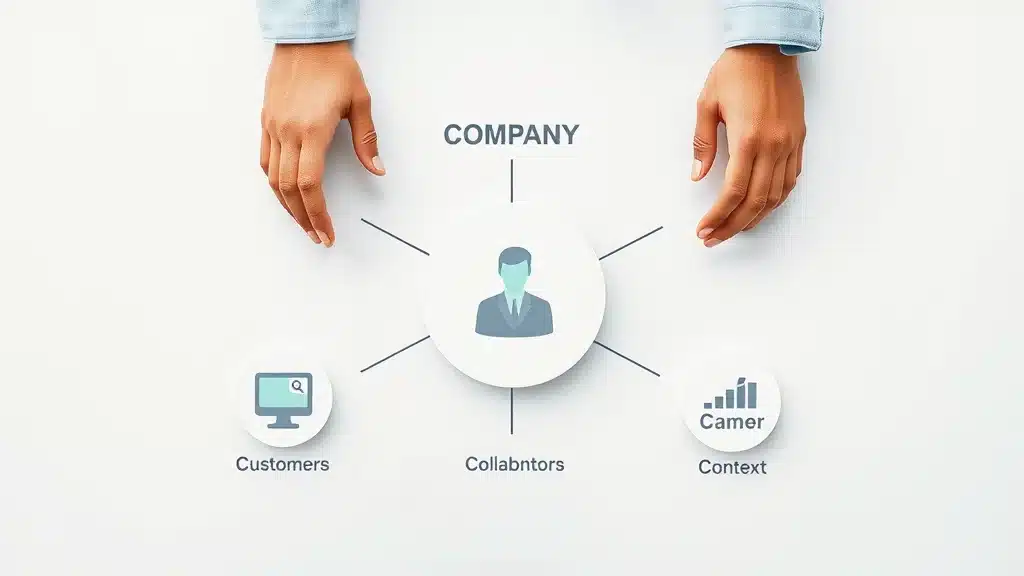
The 5 C’s of marketing are: Company (your business’s strengths and capabilities), Customers (understanding your target audience or market), Competitors (who you’re up against), Collaborators (partners who help your marketing efforts), and Context (external factors like market trends and regulations). Analyzing these areas helps small businesses build effective marketing strategies that adapt to changes and competitive pressures.
What is the 7 11 4 rule of marketing?
The 7 11 4 rule of marketing states that a potential customer typically needs 7 hours of interaction with your brand, across 11 touchpoints, in 4 different locations (such as your website, social media, and in-person events) before committing to a purchase. This insight emphasizes the importance of multi-channel marketing strategies and sustained engagement to build lasting trust and drive conversion rates.
Lists and Tables: Comparing Marketing Strategies for Small Businesses
- Digital Marketing vs. Traditional Marketing
- Social Media Platforms: Which is Best?
- Effective Marketing Activities for Local Businesses
| Marketing Strategy | Ideal For | Estimated Cost | Expected Impact |
|---|---|---|---|
| Content Marketing | All businesses | $$ | Long-term |
| Paid Advertising | Growth phase | $$$ | Short-term |
| Influencer Marketing | Retail/eCommerce | $$ | Mid-term |
Key Takeaways: The Best Way to Market a Business
- Start with solid market research and understand your target market
- Build a flexible yet robust marketing plan
- Leverage digital marketing and social media for maximum reach
- Continuously analyze and adjust strategies for best results
Next Steps: Connect with Digital Marketing Experts
Ready to take your marketing plan to the next level? Consult Digital Marketing Experts today. Elevate your marketing strategy and unlock your business’s true growth potential!
If you’re eager to keep building your marketing knowledge and want to stay ahead of the competition, exploring the broader landscape of digital marketing can provide you with advanced strategies and fresh perspectives. The Digital Red Zone digital marketing agency offers a wealth of resources and expert insights that can help you refine your approach, discover new growth opportunities, and future-proof your business. Whether you’re looking to optimize your current campaigns or develop a comprehensive, long-term strategy, tapping into professional expertise can make all the difference. Take the next step and unlock even more ways to drive your business forward in today’s dynamic digital world.
In summary: The best way to market a business is to blend data-driven insights, customer-centric planning, and relentless innovation for continuous, measurable growth.
Sources
- https://digitalredzone.com – Digital Red Zone
- https://contentmarketinginstitute.com – Content Marketing Institute
- https://www.hubspot.com/marketing-statistics – HubSpot Marketing Statistics
- https://sproutsocial.com/insights/social-media-statistics/ – Sprout Social Insights
- https://www.wordstream.com/blog/ws/2017/08/02/marketing-budget – Wordstream
To enhance your marketing strategy, consider exploring the following resources: “9 Tips to Successfully Market Your Business” (entrepreneur. com) “10 Cheap Ways to Market Your Business Online” (sba. gov) These articles provide practical advice on cost-effective marketing techniques, including leveraging free online tools, optimizing your website for mobile users, and engaging with your local community. By implementing these strategies, you can effectively promote your business without a significant financial investment.