
Did you know that more than 80% of small businesses experienced measurable growth after adopting digital marketing strategies by 2023? Digital marketing for businesses isn’t just a buzzword—it’s a proven path to building a standout online presence, reaching your target audience, and accelerating growth. Whether you’re a startup or an established small business, mastering digital marketing could be the turning point your brand needs in today’s fast-evolving digital landscape.

Unveiling the Power of Digital Marketing for Businesses: Surprising Facts and Insights
Digital marketing for businesses has revolutionized the way brands connect with their customers. The impact is undeniable: businesses of all sizes, especially small businesses, are experiencing unprecedented levels of growth through online marketing campaigns. By blending content marketing, social media, and search engine optimization, digital marketing unleashes opportunities for businesses to boost customer engagement, grow their email list, and maximize ROI. According to a 2023 report from the Small Business Administration, companies committed to integrated digital channel efforts saw up to 60% higher conversion rates than those relying solely on traditional marketing strategies.
What truly sets digital marketing apart? Its adaptability and scalability. Small businesses are empowered to fine-tune their marketing campaigns in real time, analyze social media interactions, and use data analytics for continuous improvement. No matter the business type or industry, building an online presence is not just essential—it’s now expected by potential customers. In this guide, we’ll uncover which digital channels matter most, the latest online marketing trends, and real-world tactics your small business can put into action today.
As you explore the essential elements of digital marketing, it’s helpful to see how a professional agency approaches these strategies. For a deeper dive into how expert teams craft and execute successful campaigns, take a look at the comprehensive services offered by Digital Red Zone, a leading digital marketing agency that specializes in helping businesses grow online.
“By 2023, over 80% of small businesses have reported growth tied to active digital marketing strategies.”
What You’ll Learn in This Guide on Digital Marketing for Businesses
- Essential components of digital marketing for businesses
- Best marketing strategies tailored to small businesses
- How to boost your online presence using social media
- Practical step-by-step tactics for building your brand online
- Ways to avoid common pitfalls and maximize ROI

Digital Marketing for Businesses: Definition, Scope, and Impact
Understanding Digital Marketing for Small Businesses
Digital marketing for businesses refers to all promotional activities conducted through digital channels—such as search engines, social media platforms, email marketing, and content creation—to connect with current and prospective customers. For small businesses, it means creating targeted marketing campaigns designed to increase brand awareness, generate leads, and drive sales by capitalizing on the online behavior of their target audience. The scope ranges from local digital ads to global social media strategies, empowering businesses to compete effectively regardless of size or budget.
Today, digital marketing is a necessity rather than a luxury for small businesses. With consumers spending more time online, businesses that optimize their online marketing presence reach a broader, more engaged audience. The impact of well-planned digital strategies can be seen in increased website traffic, higher search results page rankings, and greater customer loyalty. By leveraging tools like email marketing platforms and SEO software, businesses not only keep up with the competition—they stand out and thrive in crowded digital marketplaces.
Key Components: From Social Media Marketing to Search Engine Optimization
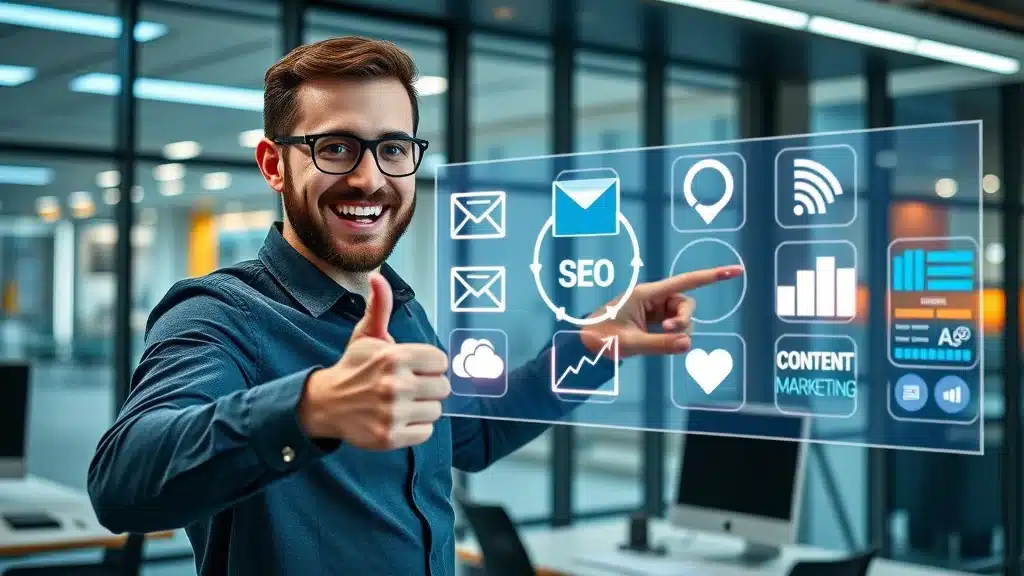
At the heart of digital marketing for businesses are several key strategies that set successful brands apart. Social media marketing enables companies to interact directly with their audience on platforms like Facebook, Instagram, and LinkedIn. Search engine optimization (SEO) ensures your website appears in top search results, making it easier for potential customers to find you. Email marketing keeps your subscribers engaged and informed about your latest offers and news, while content marketing builds brand authority through valuable blog posts and articles.
Each digital channel plays a unique role in a business’s overall marketing efforts. Combining these components allows for a comprehensive approach that touches customers at every stage of their journey—from awareness to loyalty. Integrating influencer marketing and regularly publishing blog posts can further enhance engagement, expand your online presence, and foster trust among your audience.
| Digital Channel | Primary Purpose | Effectiveness for Small Businesses |
|---|---|---|
| Social Media Platforms | Brand engagement, real-time interaction, audience building | High (especially for local visibility and targeting younger customers) |
| Email Marketing | Direct updates, promotions, personalized communications | Very High (enables repeated contact with an opted-in audience) |
| Search Engine Optimization | Improved visibility in search engines, organic website traffic | High (sustainable, cost-effective long-term growth) |
| Influencer Marketing | Brand trust, targeted exposure through partnerships | Moderate to High (especially in niche markets) |
| Content Marketing | Education, authority building, audience retention | High (boosts SEO and strengthens customer trust) |
Why Digital Marketing for Businesses Has Become Indispensable
The Shift from Traditional to Digital: Trends Impacting Small Business Success
Digital marketing for businesses has replaced many traditional marketing practices because it’s measurable, budget-friendly, and adaptable. Small businesses are finding that money once spent on print ads or flyers now stretches further through targeted online campaigns on platforms like Google Ads or social media. The rise of digital channels has allowed businesses to pinpoint their target audience, customize messaging, and achieve rapid feedback on campaign performance. Recent data reveals that businesses actively utilizing SEO, content marketing, and influencer marketing are seeing stronger revenue growth and higher customer retention rates compared to those relying solely on traditional approaches.
The ability to track digital marketing campaign performance in real time—something nearly impossible with print or television ads—empowers small businesses to make data-driven decisions. This shift has led to a dramatic increase in return on investment (ROI) and has made digital marketing an indispensable tool for any business looking to remain competitive and relevant in a fast-changing world.

Online Presence: Your First Digital Business Card
Your business’s online presence is often the first impression you make on potential customers. A well-designed website, active social media profiles, and consistent content marketing signal that your brand is credible, modern, and trustworthy. Search engines like Google and Bing reward businesses that prioritize SEO and regularly update their online assets, making it easier for customers to find you on the first results page. This digital business card shapes customer perceptions long before they step into your store or speak to your team.
Building and maintaining an online presence means keeping your media platforms updated, leveraging customer reviews, and ensuring your contact information is accurate everywhere online. By establishing a solid digital footprint, small businesses boost local visibility, increase website traffic, and keep their brand top-of-mind among potential customers, ensuring long-term growth and loyalty.
Essential Digital Marketing Strategies for Businesses
Search Engine Optimization (SEO) for Small Businesses
SEO is the backbone of digital marketing for businesses, ensuring your website ranks high in relevant search results, drawing organic traffic with strong intent to purchase. For small businesses, an effective SEO strategy includes optimizing website content, meta tags, and local listings while creating high-quality blog posts that answer customers’ most common questions. Focusing on both on-page and off-page SEO, such as building backlinks and managing your Google My Business profile, can drastically boost search engine visibility.
Consistent SEO efforts lead to sustainable growth, allowing small businesses to compete with larger brands in their market. By appearing on the first results page, you not only increase your chances of attracting qualified leads but also enhance your brand’s authority and trustworthiness among existing and potential customers.

Effective Content Marketing for Businesses
Content marketing is about creating and distributing valuable, relevant content—like blog posts, articles, videos, and white papers—to attract your target audience. Successful small businesses use content marketing to build trust, educate their customers, and drive engagement on their websites and social media channels. A critical part of this strategy is maintaining a consistent publishing schedule with a well-structured content calendar.
To maximize ROI, it’s important to diversify your content formats. Mix informative blog posts, behind-the-scenes videos, testimonials, and detailed case studies to increase your reach and build deeper relationships with your audience. Not only does this improve your website’s search engine optimization, but it also positions your brand as a knowledge leader in your field.
- Creating a content calendar
- Blogging and articles
- Video marketing
- Using case studies and white papers
Social Media Strategies: Choosing the Right Social Media Platforms
Selecting the best social media platforms is essential to the success of your digital marketing campaigns. Not all platforms are created equal when it comes to reaching your target audience. For small businesses, focusing efforts on the channels most frequented by your demographic—whether that’s Instagram for visual brands, LinkedIn for B2B, or Facebook for local communities—leads to higher engagement and ROI. Social media marketing benefits include real-time feedback, cost-effective advertising, and direct customer communication.
Develop a clear social media strategy that outlines your posting schedule, content themes, and key performance metrics. By analyzing past campaign data, you can refine your messaging and improve future results. Regularly engaging with followers through comments, messages, or interactive content like polls and live videos helps create a vibrant community around your brand.

Leveraging Email Marketing to Build Your Email List
Email marketing remains one of the most effective online marketing strategies for nurturing leads and driving repeat business. For small businesses, building an opt-in email list allows you to send personalized updates, promotional offers, and valuable content directly to your subscribers. Segmenting your email list based on customer preferences or behaviors enhances the relevance of your messages, increasing open and conversion rates.
To start, offer valuable incentives—like exclusive content or discounts—for website visitors to sign up. Use branded templates and consistent voice to foster loyalty. Over time, your email list becomes one of your most valuable digital assets for driving sales, launching new products, and keeping your business top-of-mind with existing and potential customers.
Influencer Marketing: Getting Started for Small Businesses
Influencer marketing can amplify your digital marketing campaign by partnering with trusted voices to promote your products or services. Small businesses, in particular, benefit from micro-influencers—those with smaller, highly engaged followings in specialized niches. Collaborations can take the form of product reviews, sponsored posts, or social media takeovers, helping you reach new potential customers and establish social proof.
Choosing influencers whose audience aligns with your brand values and target market ensures your message resonates authentically. Track performance using unique discount codes or links to measure the effectiveness of each influencer partnership, and continue refining your influencer marketing strategy based on real results.
How to Do Digital Marketing for Your Business: A Step-by-Step Guide
Defining Your Target Audience and Marketing Goals
Every successful digital marketing strategy starts with a clear understanding of your target audience and business objectives. For small businesses, this means identifying your ideal customer’s demographics, interests, and online behaviors. Use tools like customer surveys, analytics, and social listening to gather insights that shape your campaign strategies. Once you know who you’re targeting, set measurable goals—like increasing website traffic, growing your email list, or boosting online sales.
Defining precise KPIs and aligning your marketing efforts with your goals ensures every piece of content, social media post, and email campaign is purposeful. Your digital marketing for businesses plan should be flexible, allowing you to react quickly to audience feedback and market changes for optimal performance.

Building an Online Presence with Powerful Media Platforms
To build a strong online presence, small businesses must establish a consistent brand voice and visual identity across all media platforms, including their website, social media profiles, and online directories. Investing in high-quality website design and regularly updating your content signal to search engines and customers alike that your business is active and trustworthy. Syncing your efforts across major platforms ensures potential customers receive a unified and memorable experience, whether they’re discovering your products or services through a blog post, a social media ad, or a search engine result.
Leverage media platforms that resonate most with your target demographics. This might mean posting video tutorials on YouTube, sharing behind-the-scenes insights on Instagram, or running professional updates on LinkedIn. The goal is to create a cohesive presence that amplifies your marketing campaigns, builds authority, and encourages customer loyalty.
Maximizing Results with Integrated Digital Marketing Efforts
The true power of digital marketing for businesses comes from integrating multiple channels into a unified strategy. Align your content marketing with your social media techniques for amplified reach, and personalize your email marketing campaigns based on audience segmentation for greater engagement. Using analytics, track which marketing efforts are driving the highest ROI and adjust your approach proactively.
Integrated marketing campaigns allow for cross-promotion, more efficient use of marketing budgets, and a deeper understanding of your customer journey. By adapting your offers and refining your messaging based on performance data, you ensure every element of your digital marketing campaign works toward achieving your business goals.
- Align content marketing and social media marketing
- Adapt offers to segmented email lists
- Use data analytics to refine ongoing campaigns

People Also Ask: Real Answers to Popular Digital Marketing Questions
How do I do digital marketing for my business?
Step-by-step instructions using digital marketing for businesses including social media, SEO, and email marketing.
Begin by setting clear marketing goals and identifying your target audience. Establish your online presence with a user-friendly website and active social media profiles. Next, optimize your site for search engines (SEO) by using relevant keywords and creating helpful content. Launch social media marketing campaigns on platforms where your audience is most active. Build an email list by offering valuable content in exchange for sign-ups, then engage your subscribers through regular updates and promotions. Track performance using digital marketing tools and analytics dashboards, refining your strategy based on real data. Finally, experiment with paid ads or influencer marketing for enhanced reach.
What is the 3-3-3 rule in marketing?
Explaining the 3-3-3 framework as it applies to digital marketing strategies for businesses.
The 3-3-3 rule in marketing helps businesses focus their efforts and communication by identifying: the first 3 seconds you have to capture attention, the next 3 minutes to convince a customer, and the final 3 hours to deliver value and customer satisfaction. For digital marketing for businesses, this applies to designing scroll-stopping headlines or visuals, crafting concise and compelling content, and following up with rapid customer support to foster loyalty. Combining this framework with online marketing strategies ensures your marketing campaigns remain focused and effective.
What are the 4 types of digital marketing?
Detailed description: content marketing, social media marketing, search engine optimization, and email marketing — and how each benefits businesses.
The four core types of digital marketing are: Content Marketing (blog posts, videos, case studies), which educates and engages your audience; Social Media Marketing, which builds brand awareness and community; Search Engine Optimization (SEO), which drives organic website traffic from search engines; and Email Marketing, which keeps your business connected to your audience for repeat sales. Each channel enhances your online presence and provides different touchpoints for attracting and converting new customers.
What is the 70/20/10 rule in digital marketing?
Clarifying the application of the 70/20/10 content mix for businesses’ digital marketing plans.
The 70/20/10 rule helps businesses structure their content mix: 70% should be core content that directly aligns with your brand and meets audience needs, 20% should be curated or shared content from industry sources to build authority, and 10% should be experimental content (like new formats or innovative ideas) to test engagement and spark growth. Applying this framework keeps your marketing strategy balanced, relevant, and innovative.
Establishing Your Digital Marketing Presence: Tools and Platforms
Top Digital Marketing Tools for Businesses
- Social media management tools
- SEO software
- Email marketing platforms
- Content creation tools
Using reliable digital marketing tools is critical for automating tasks, tracking results, and scaling your efforts. Social media management platforms (like Hootsuite or Buffer) streamline posting and engagement. SEO software such as SEMrush or Moz helps optimize your online presence. Email marketing platforms like Mailchimp automate your email campaigns and track open or conversion rates. For content creation, tools like Canva or Grammarly ensure visually appealing and error-free communication helping your marketing campaigns succeed.
Choosing the Best Social Media Platforms for Your Business Type
Not all media platforms serve every business equally—selecting the right ones depends on your industry, target audience, and marketing goals. For B2B services, LinkedIn is ideal for professional networking and content sharing, while Instagram excels for visually driven products or lifestyle brands. Facebook offers powerful targeting tools for local businesses, and TikTok or YouTube are strong choices for brands willing to invest in video marketing. Analyze competitor activity and customer data to determine where your marketing efforts will achieve the best results for your business type.

Tracking and Analyzing Digital Marketing Campaigns for Businesses
Key Performance Indicators (KPIs) for Online Marketing Success
Tracking your success involves setting meaningful key performance indicators (KPIs) for each digital marketing campaign. Popular KPIs for small businesses include website traffic, conversion rates, lead generation, social media engagement, and email open or click rates. Advanced analytics can reveal which marketing channels are outperforming others, helping allocate your budget more effectively.
Regular KPI analysis ensures your digital marketing for businesses strategy stays aligned with your business objectives. By identifying strengths and weaknesses, you can adapt marketing efforts for maximum impact—whether that’s investing more in video content, optimizing SEO tactics, or launching fresh social media campaigns. Remember, what gets measured gets improved.

Unlocking Key Takeaways: What Makes Digital Marketing for Businesses Effective?
- Digital marketing for businesses drives online presence and customer growth
- A blend of media marketing, content marketing, and influencer marketing offers optimal reach
- Continuous tracking and adaptation are crucial for ongoing success
Frequently Asked Questions about Digital Marketing for Businesses
- How much should small businesses budget for digital marketing? Small businesses typically allocate 7–10% of their annual revenue to digital marketing. Start with a realistic budget and scale as you see results.
- What industries benefit most from digital marketing for businesses? Nearly all industries gain value, but retail, services, hospitality, education, and health sectors see rapid gains due to high online search volume and social media usage.
- How do you measure digital marketing ROI? ROI is measured by comparing the revenue or leads generated from digital campaigns against the total marketing spend. Use analytics platforms to track website conversions, sales, and engagement metrics.
- Are there common mistakes in social media marketing and how to avoid them? Common pitfalls include inconsistent branding, ignoring analytics, and failing to engage followers. Avoid these by planning content, analyzing results, and participating in conversations.
Conclusion: Is Digital Marketing for Businesses Your Next Move?
Summary of Benefits and Final Thoughts on Digital Marketing for Businesses
Investing in digital marketing for businesses unlocks sustainable growth, stronger brand authority, and measurable ROI. With the right strategies and tools, you can elevate your small business above the competition and thrive online.
If you’re inspired to take your business to the next level, consider exploring how a holistic digital marketing approach can transform your brand’s future. Partnering with a dedicated team like Digital Red Zone gives you access to advanced strategies, industry insights, and the latest tools tailored to your unique goals. Whether you’re looking to refine your current campaigns or launch a full-scale digital transformation, expert guidance can help you unlock new growth opportunities and stay ahead in a rapidly evolving marketplace. Discover what’s possible when you combine your vision with proven digital marketing expertise.
“The only strategy that is guaranteed to fail is not taking risks.” – Mark Zuckerberg
Ready to Transform Your Business with Digital Marketing Experts?
Get expert support for digital marketing for businesses today—visitDigital Marketing Expertsfor a consultation.
Watch a short, professional explainer video introducing digital marketing for businesses—including animated graphics, SEO, content, and social media examples set to upbeat music.
Explore real-world case studies, highlighting how businesses used digital marketing to boost growth, build an online presence, and unlock new markets.
Sources
- https://www.sba.gov/article/2023/digital-marketing-small-businesses – U.S. Small Business Administration
- https://www.hubspot.com/digital-marketing – HubSpot
- https://moz.com/beginners-guide-to-seo – Moz
- https://buffer.com/social-media-marketing – Buffer
- https://mailchimp.com/resources/email-marketing-field-guide/ – Mailchimp
- https://sproutsocial.com/insights/influencer-marketing/ – Sprout Social
To deepen your understanding of digital marketing for businesses, consider exploring the following authoritative resources: “Digital Marketing Made Simple”: This comprehensive guide by HubSpot offers insights into various digital marketing strategies, including SEO, content marketing, and social media tactics, tailored to help businesses enhance their online presence. “Social Media Marketing 101: From Strategy to Growth”: Buffer’s detailed article provides a step-by-step approach to leveraging social media platforms effectively, covering strategy development, content creation, and audience engagement to drive business growth. These resources offer practical strategies and insights to help you navigate the digital marketing landscape and implement effective campaigns for your business.