Target Audience Identification: Nail Your Perfect Buyer


Did you know companies that excel at target audience identification are 60% more likely to surpass their revenue goals? Unlocking this game-changing strategy can move your business from guessing to knowing your target audience—and transform your entire marketing approach. In this guide, we’ll answer real questions marketers face, break down vital steps, and arm you with the knowledge to reach your perfect buyer.
Unlocking the Power of Target Audience Identification: Why It Matters
Understanding target audience identification is no longer a theoretical exercise—it’s a vital practice that sets successful marketing strategies apart. When you efficiently identify your target audience, you’re not just casting a wider net. Instead, you’re focusing your marketing efforts on the specific group of people who are most likely to engage, buy, and become loyal advocates for your brand. Today’s competitive landscape makes this focus even more critical. By zeroing in on demographic information, psychographics, and behavioral data, you can deliver personalized messaging that resonates with actual customer needs.
Target audience identification is foundational because it helps you avoid wasted resources, drives higher ROI, and ensures that every dollar spent on a marketing campaign resonates with your ideal customer. Whether you’re a small business crafting your first marketing plan or a large enterprise refining sophisticated marketing strategies, knowing your target audience enables data-driven decisions, maximizes impact, and supports business growth. Ultimately, the better you understand your target audience, the more precise and effective your marketing will be.
“Companies that effectively practice target audience identification are 60% more likely to exceed their revenue goals.” – Marketing Insights 2023

What You’ll Learn About Target Audience Identification
- The fundamental concepts behind target audience identification
- Actionable steps to identify your perfect buyer
- How market research influences your marketing strategy
- The role of demographics, psychographics, and behavioral data
- Tools and techniques to refine your target audience
- How to implement findings into successful marketing campaigns
Understanding Your Target Audience: Foundations of Target Audience Identification
The bedrock of every effective marketing strategy lies in truly understanding your target audience. Identifying your target audience means pinpointing the specific group of consumers most interested in your products or services. This step goes beyond basic assumptions—it’s about tapping into data, social media behavior, and real feedback to discover who your ideal customer really is. When you identify your target audience, you build a marketing plan tailored to what matters most: solving their problems and fulfilling their needs.
Every successful marketing campaign starts with knowing your target audience’s demographics, values, pain points, and behavior. This invaluable information shapes everything from product development to individualized content, helping you craft a message that resonates, rather than one that disappears into the noise. Whether you’re serving women between the ages of 25 and 40 who love fitness or small business owners looking for digital solutions, foundation-level understanding puts you in a position to lead.
As you refine your understanding of your audience, it’s also valuable to explore how digital marketing agencies leverage these insights to craft highly targeted campaigns. For a closer look at how professionals approach audience segmentation and campaign optimization, visit the Digital Red Zone digital marketing agency and see their strategies in action.
Defining Target Audience in Today’s Marketing Landscape
In today’s fast-paced digital marketing world, a target audience refers to a specific group of people who are most likely to be interested in your product or service. Unlike the broader concept of a target market, which may include anyone with interest in your industry, your target audience is defined by industry trends, behavior patterns, and a tight set of characteristics. Identifying your target audience is about precision—understanding not just who might buy from you, but who will truly benefit and become brand advocates. This crucial step underpins customer loyalty, retention, and ultimately, sustainable business growth.
Why Target Audience Identification Is Vital for Every Marketing Strategy
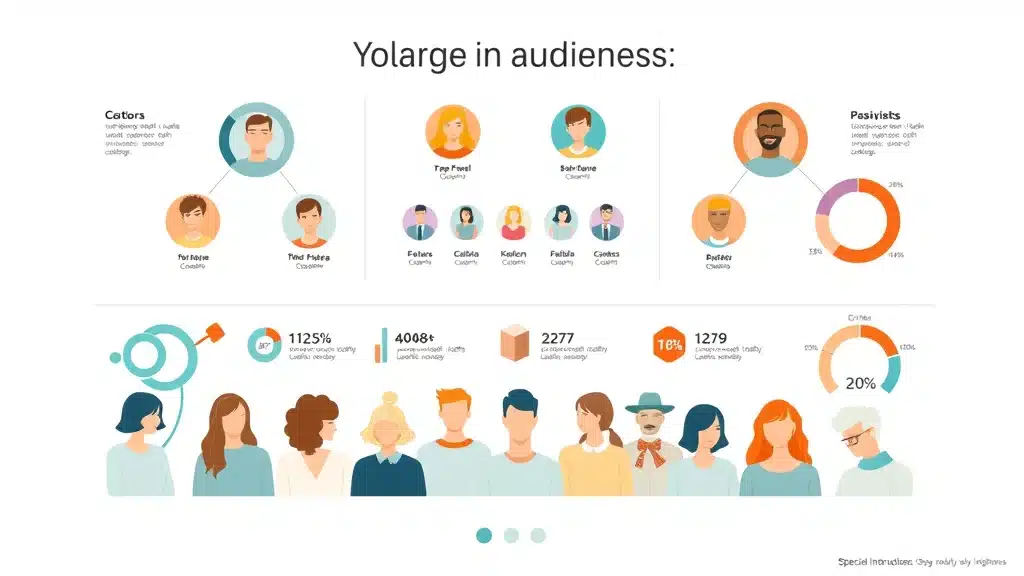
Progressive businesses rely on target audience identification to guide everything from product innovation to social media messaging. When you know your audience, you stop wasting time and money attracting the wrong groups—every marketing campaign becomes laser-focused on those who matter. When you identify your target audience, your messaging addresses their pain points and positions your brand as the ultimate solution.
What’s more, understanding your target audience fosters deeper engagement and higher conversion rates. Profitable marketing strategies begin when you can segment your audience, personalize campaigns, and consistently deliver what your audience truly cares about. Effective target audience identification also facilitates better allocation of marketing efforts across channels your audience prefers, such as email, social media, or content marketing.
The Difference Between Target Market and Target Audience
While often used interchangeably, “target market” and “target audience” refer to distinct concepts. The target market is the broad group of people who might benefit from your products and services, while the target audience refers to a specific segment within that market that your marketing campaigns are designed for. For example, if you sell fitness equipment, your target market might include all adults interested in fitness, but your target audience could be women between the ages of 25 and 40 who follow fitness influencers on social media.
“Identifying your target audience is the blueprint for your entire marketing plan.”
The Process of Identifying Your Target Audience
Target audience identification is a structured process involving research, analysis, and segmentation. The path starts with data collection through market research and ends with refined personas shaping your marketing plan. Whether launching a new product or optimizing an ongoing marketing campaign, following these steps ensures your efforts target the right people at the right time, increasing ROI and customer satisfaction.
Each step—from gathering raw audience data to translating insights into actionable marketing strategies—draws you closer to identifying your ideal customer. This means avoiding the pitfalls of vague audience assumptions and using a systematic approach to target definition.
Step 1: Conducting In-Depth Market Research for Target Audience Identification
The first step in identifying your target audience is robust market research. Start by examining overall trends in your industry and looking closely at competitors. Analyze public data, industry studies, customer reviews, and content from social media to spot emerging patterns. Tools such as Google Analytics, SEMrush, and Facebook Insights are essential for gathering meaningful data about site visitors and their behaviors.
Advanced market research goes beyond numbers—it digs into sentiment, emotional triggers, and consumer behavior. Surveys and interviews grant direct access to valuable feedback, revealing what your customers truly want from a product or service. A consistent process of market research keeps your audience data current and actionable, underpinning your ongoing marketing strategies.

Step 2: Analyzing Customer Base and Understanding Customer Needs
After collecting data, analyze your current customer base to identify shared characteristics and behavioral trends. Are your customers mostly millennials with an interest in tech, or are they business owners seeking operational solutions? By segmenting your audience according to shared interests and needs, you can develop highly targeted messaging and products or services.
Understanding your target audience’s pain points and motivations will guide your next steps. Use purchasing histories, customer support interactions, and website engagement metrics to discern what influences buying decisions and what issues need solving. Recognizing these patterns informs everything from content creation to product development.
Step 3: Segmenting Your Target Market for Refined Target Audience Identification
Segmentation divides your broader target market into smaller, more focused groups based on criteria such as age, gender, values, or purchasing behavior. Each segment represents an opportunity for personalized engagement that builds loyalty and encourages repeat purchases.
Behavioral segmentation—analyzing how people interact with your brand, what channels they use, or how frequently they engage—helps refine your targeting and optimize future campaigns. The granular you go in segmenting, the easier it is to make data-backed decisions that delight your audience and drive measurable results.
Watch leading experts break down why ongoing market research is critical to identifying and reaching the right audience—and see real-world examples of how successful brands use these insights to boost their marketing strategy.
Key Methods to Identify Your Target Audience
- Analyzing current customers and audience behavior
- Evaluating potential markets for products or services
- Employing market research tools and social listening
- Using surveys and interviews for direct feedback
- Interpreting data patterns and adjusting focus
| Tool | Best For | Core Features |
|---|---|---|
| Google Analytics | Website traffic & behavior analysis | Audience demographics, interests, user journeys |
| Facebook Insights | Social media audience analysis | Demographic breakdown, engagement metrics |
| SEMrush | Competitive benchmarking & keywords | Market trends, organic reach, industry comparisons |
| Surveys | Direct consumer feedback | Custom questions, psychographics, satisfaction |
| CRM Systems | Customer database management | Purchase history, interaction tracking, segmentation |
Demographics, Psychographics, and Beyond in Target Audience Identification
For the most accurate target audience identification, combine demographic analysis, psychographic profiling, and behavioral segmentation. These layered approaches provide deep insight into who your audience really is, what motivates them, and how best to connect through your marketing efforts.

Demographic Analysis: Age, Gender, Income, and Education
Demographics are the cornerstone of audience segmentation. By collecting data on age, gender, income level, and education, you define clear audience groups with shared needs and preferences. For instance, marketing campaigns for luxury products may target higher-income segments, while tech solutions could focus on younger, digitally-native professionals. Knowing these foundational demographics streamlines your entire marketing strategy and ensures products or services are promoted to those most likely to buy.
Businesses often use digital tools to gather demographic information—Google Analytics, social media audience insights, and CRM databases—to keep profiles up to date. Tailoring offers or messaging according to demographics creates a more personalized customer journey that improves conversion rates.
Psychographics: Values, Interests, and Lifestyles
Psychographics provide a deeper, qualitative understanding of your customer base by exploring their interests, values, and lifestyle choices. Unlike simple demographic data, psychographics reveal why individuals make the choices they do—information that’s pivotal for building authentic connections. Are your customers adventurous trendsetters or comfort-seeking homebodies? Do they value sustainability or innovation? Addressing these differences through targeted messaging leads to powerful emotional engagement and improved brand affinity.
Psychographic data is often gathered from social media analysis, lifestyle surveys, or interactive content. Integrating psychographics with demographic and behavioral data allows brands to craft content and offers that truly resonate with the audience’s motivations and desires.

Behavioral and Geographic Segmentation: Understanding Your Target Audience’s Actions
Behavioral segmentation analyzes how your target audience interacts with your brand, your website, and your products or services. Metrics like purchase frequency, site interactions, and feedback loops provide rich insights into what’s working, what needs improvement, and which marketing messages elicit responses.
Geographic segmentation, meanwhile, focuses on physical locations—cities, regions, or even time zones. This adds context, helping businesses optimize product launches, event timing, and content delivery for specific groups. Together, behavioral and geographic insights build the most complete and precise customer profiles possible.
Identifying Your Target: Bringing It All Together in Your Marketing Plan
Once you’ve gathered and analyzed research, the next step is weaving these insights into a comprehensive marketing plan. Identifying your target audience means more than collecting data—it’s about translating that data into actionable marketing strategies that reach, engage, and convert.
Successful marketing plans leverage multiple data points—demographics, psychographics, behavioral cues—to create cohesive campaigns. These campaigns deliver customized experiences and ensure your products or services match your ideal customer. Every customer touchpoint, from ad copy to product development, should reflect your deep understanding of the target audience.
Integrating Target Audience Identification into a Cohesive Marketing Strategy
Incorporating target audience identification into daily marketing activities starts with aligning your strategy around the audience’s preferences and communication channels. Marketers should map the customer journey, identify key interactions, and adjust brand messaging to align with the research findings. Prioritize personalized outreach over generic campaigns and regularly validate assumptions using A/B testing or additional market research.

Aligning Products or Services With the Needs of Your Target Audience
- Personalized Messaging: Speak directly to each segment’s needs and aspirations.
- Product Development: Innovate based on real feedback and customer preferences.
- Brand Positioning: Stand out by addressing unique audience pain points.
- Channel Selection: Invest in outreach where your audience naturally spends time (e.g., social media, email).
Common Challenges in Target Audience Identification (And Proven Solutions)
Despite its importance, many businesses face pitfalls in precise target audience identification. Vague audience definitions, rapidly changing consumer behavior, and lack of actionable data are frequent hurdles. However, addressing these with a research-based mindset and standardized processes leads to improved segmentation and stronger marketing campaigns.
Overcoming Vague Target Audiences Through Research
If you find your perceived audience is too broad, return to fundamental research. Use analytics, customer surveys, and direct interviews to clarify who your best customers are—and who they are not. Test smaller, distinct segments in campaigns, track engagement, and adjust messaging until you see measurable improvement. This data-driven cycle ensures ongoing accuracy.

Adjusting Your Approach Based on Evolving Customer Base
As your product or service line grows and trends change, your target audience may shift. Regularly revisit and update your customer profiles—especially after major market shifts or product launches. Listen to social media and review performance data so your brand always stays relevant to its most valuable audience.
This adaptability separates thriving companies from stagnant ones. Responsive, ongoing audience research not only mitigates risk but uncovers new opportunities for growth and engagement.
Real-World Example: A Business That Nailed Its Target Audience Identification
Consider a boutique skincare brand that initially marketed its product to “all women. ” After performing in-depth market research, the company discovered its best customers were women between the ages of 28 and 38, interested in natural ingredients and cruelty-free products. By refining their target audience and crafting messages directly appealing to these values, they saw their email open rates and conversions soar—demonstrating the transformative power of precise target audience identification.
See how market leaders are putting target audience identification into action—watch case studies that highlight the role of analytics, segmentation, and ongoing research in driving real-world business growth.
People Also Ask About Target Audience Identification
What are the four types of target audiences?
Answer: The four types of target audiences are demographic, psychographic, behavioral, and geographic. Each represents a specific dimension in target audience identification, helping refine marketing efforts for better alignment and engagement.
What are the 4 principles of targeting used to identify the target audience?
Answer: The four principles are measurability, accessibility, substantiality, and actionability. These ensure your target audience is well-defined and realistic for your marketing strategy.
What are the five demographics that can identify your audience?
Answer: The five demographics are age, gender, income, education, and occupation. Leveraging these helps with precise target audience identification.
What are the 4 types of audience?
Answer: The four types are primary, secondary, tertiary, and ignored/excluded audiences. Understanding which group your target audience belongs to can shape your messaging and approach.
Frequently Asked Questions on Target Audience Identification
How often should I revisit target audience identification?
You should revisit target audience identification at least once a year, or whenever you launch new products, notice shifts in industry trends, or observe significant changes in customer behavior. Regular reviews ensure your marketing plan remains aligned with your best opportunities.
What tools are most effective for market research in target audience identification?
Some of the most effective tools for market research include Google Analytics for web data, Facebook Insights for social media audiences, CRM systems for customer histories, and direct surveys for voice-of-customer feedback. Combining these provides the fullest picture possible.
Can small businesses benefit from target audience identification as much as large enterprises?
Absolutely. In fact, small businesses may see even greater benefits, as precise targeting allows them to make the most of limited budgets and resources—leading to higher engagement, improved conversions, and more efficient growth.
Key Takeaways for Effective Target Audience Identification
- Target audience identification is foundational for success
- Market research drives understanding of your customer base
- Demographics and psychographics both matter
- A clear marketing strategy stems from precise identification
- Iterate and adapt as your business and audience evolve

Master Target Audience Identification for Marketing Success
“Brands that master target audience identification enjoy higher loyalty and significantly better ROI.”
By consistently refining your understanding of who your audience is, you pave the way for exponential business growth—transforming guesswork into measurable success.
If you’re ready to take your marketing to the next level, consider how a holistic digital marketing strategy can amplify the impact of your audience insights. By integrating advanced targeting, content optimization, and multi-channel outreach, you can unlock even greater results for your business. Explore the full spectrum of digital marketing solutions and discover how expert guidance from Digital Red Zone can help you not only identify your perfect buyer, but also engage and convert them at every stage of the customer journey. Dive deeper into strategic marketing approaches and set your brand up for long-term success.
Connect With Digital Marketing Experts for Audience Growth
Ready to elevate your marketing strategy? Discover how target audience identification can accelerate your business—consult with the Digital Marketing Experts athttps://digitalredzone.com
Sources
- https://www.surveymonkey.com/market-research/ – SurveyMonkey Market Research
- https://analytics.google.com/ – Google Analytics
- https://www.semrush.com/blog/target-audience/ – SEMrush
- https://www.facebook.com/business/insights/tools/audience-insights – Facebook Audience Insights
- https://www.hubspot.com/marketing-statistics – HubSpot Marketing Statistics
To deepen your understanding of target audience identification, consider exploring the following resources: “Target audience: How to find yours [+ real-life examples]”: This HubSpot article provides a comprehensive guide on identifying and refining your target audience, complete with practical examples. (blog. hubspot. com) “Target audience”: This Wikipedia entry offers an in-depth look at the concept of target audiences, including definitions, strategies, and related topics. (en. wikipedia. org) These resources will equip you with actionable insights and strategies to effectively identify and engage your ideal customers.